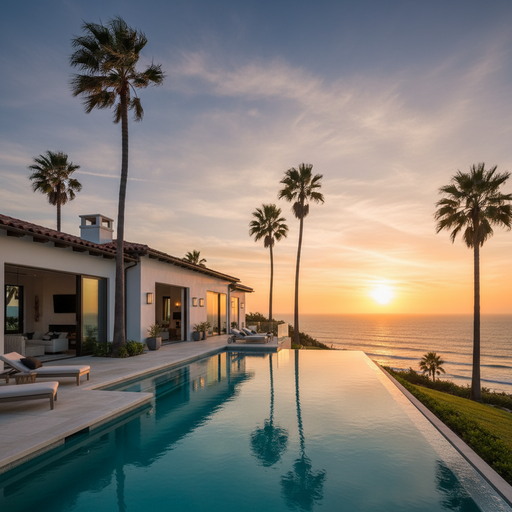
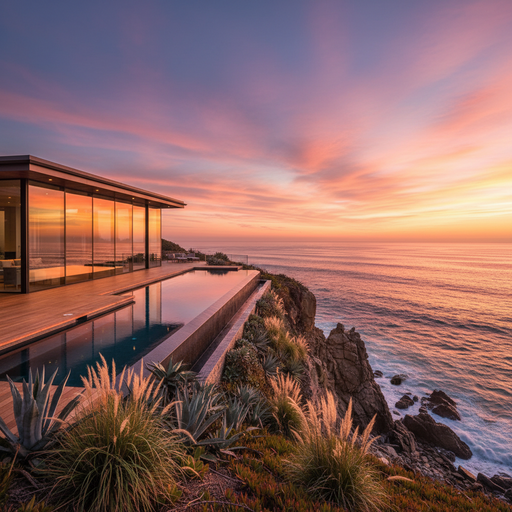
Imagine standing on your porch, the sun a golden orb just beginning its descent, painting the sky in hues of orange and purple. Your ranch home, with its long, low profile and welcoming overhangs, feels perfectly settled in the landscape. But what about the ground around it? If you live in a dry climate, you know the challenge: how do you create a beautiful, functional, and inviting yard that doesn’t fight against nature, but rather dances with it? This is where desert landscaping for ranch style homes truly shines, transforming your outdoor space into an oasis that celebrates the rugged beauty of its surroundings.
For decades, the classic ranch home has been a symbol of comfortable living, often blending seamlessly with wide-open spaces. When these homes are nestled in arid regions, the traditional lush green lawn can feel out of place, demanding excessive water and constant upkeep. But there’s a better way. Embracing desert landscaping means choosing a path of sustainability, low maintenance, and undeniable charm. It’s about creating an environment that thrives, not just survives, in its natural habitat.
Why Desert Landscaping is a Natural Fit for Ranch Homes
Ranch homes, with their earthy tones, natural materials, and sprawling layouts, inherently complement the desert aesthetic. The goal isn’t to replicate a verdant forest, but to enhance the existing beauty of the dry landscape.
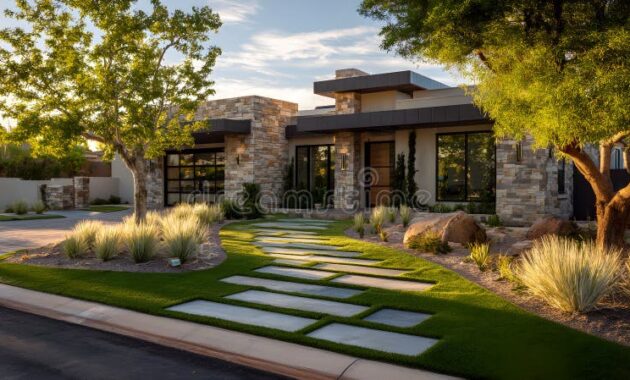
- The Classic Ranch Vibe Meets the Desert: Think about the architecture. Long, horizontal lines, often with a connection to the earth through stone or wood elements. This pairs beautifully with the horizontal planes of desert gardens, using expansive gravel beds, low-growing plants, and natural rock formations. It just feels right. The colors, the textures – they echo the natural world outside your door.
- Water Conservation: A Necessity, Not a Choice: This is perhaps the most compelling reason. In arid and semi-arid regions, water is a precious resource. Opting for low water landscaping solutions isn’t just eco-friendly; it’s essential. You’ll dramatically reduce your water bill and your environmental footprint, contributing to a healthier community. This approach, often called xeriscaping, isn’t about doing without, but doing smarter.
- Low Maintenance Living: Who wants to spend every weekend mowing, weeding, and fertilizing? Desert landscapes, once established, require significantly less attention. Imagine reclaiming your weekends for relaxing on the patio, not wrestling with a sprinkler system. This means more time enjoying your home and less time working on it.
- Enhancing Curb Appeal and Value: A well-designed desert landscape can dramatically boost your ranch home curb appeal desert. It shows thoughtful consideration for the environment and a sophisticated understanding of design. For potential buyers, a low-maintenance, water-efficient yard is a major selling point, often increasing property value.
Key Principles for Your Desert Landscape Design
Creating a stunning desert garden isn’t just about throwing a few cacti around. It involves thoughtful planning and understanding your unique environment.
- Understanding Your Site: Before you dig, observe. How much sun does your yard get? What kind of soil do you have? Most desert soils drain quickly and can be rocky. This is a feature, not a bug! Soil preparation desert landscaping often involves improving drainage rather than enriching with organic matter, as many desert plants prefer leaner conditions.
- Working with Native and Adapted Plants: This is the heart of desert landscaping. Focus on drought-tolerant plants for Arizona (or your specific desert region) and other areas. These plants have evolved to thrive with minimal water.
- Cacti and Succulents: These are the superstars. From towering Saguaro to intricate Agaves and vibrant Prickly Pear, they offer incredible architectural forms, textures, and even stunning blooms. A thoughtful cactus garden design can be a focal point, a living sculpture in your yard.
- Desert Shrubs and Trees: Don’t forget shade and height! Mesquite, Palo Verde, Ironwood, and various Acacia species provide welcome shade, habitat for wildlife, and year-round interest. For shrubs, think of plants like Texas Ranger or Ocotillo.
- Flowering Perennials: Desert doesn’t mean drab. Many Southwest garden plants burst with color. Penstemon, Desert Marigold, and various Salvias offer brilliant splashes of red, purple, yellow, and pink, attracting hummingbirds and butterflies.
- Hardscaping is King: In desert landscapes, non-living elements play a huge role.
- Defining Spaces with Stone: Rocks, boulders, and gravel are your best friends. They provide texture, define pathways, and act as mulch to conserve moisture. Think about a pebble garden designs to create intricate patterns or use larger boulders to anchor planting beds.
- Pathways and Patios: Decomposed granite (DG) is a popular, permeable choice for paths, offering a natural look. Flagstone or concrete pavers can create inviting patio design desert areas that blend with the surroundings.
- Using Decomposed Granite: This finely crushed rock packs down well, making it ideal for pathways and open areas. It comes in various colors, allowing you to match or contrast with your home.
- Creating Zones: Think about how you use your yard. High-traffic areas near the house might have a bit more design detail and perhaps a few more plants that need a touch more water (still drought-tolerant!). Outer areas can be wilder, requiring even less attention.
Designing Your Ranch Home’s Desert Oasis – A Step-by-Step Approach
 1
1