 11
11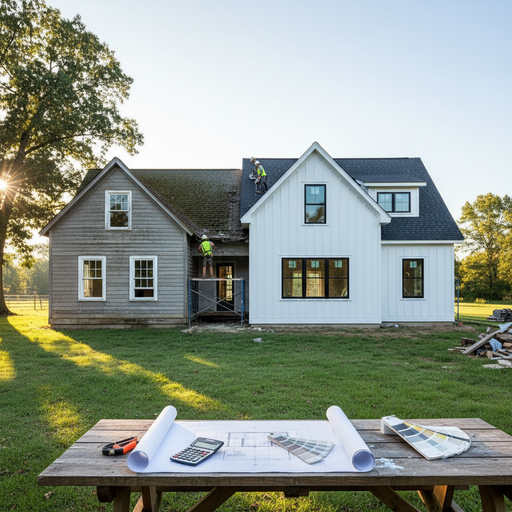
I remember standing at the edge of my driveway on a crisp Saturday morning, coffee in hand, staring at my house. For years, I had walked past the faded siding and the slightly sagging gutters without a second thought. But that morning, the sun hit the front porch just right, highlighting every crack in the paint and every weathered shingle. It wasn’t just a house anymore; it was a project waiting to happen. Like many homeowners, I felt that immediate rush of excitement followed quickly by a cold splash of reality: How much is this actually going to cost?
Plaing an exterior renovation is a bit like peeling an onion. You start with a simple idea—maybe some new paint—and before you know it, you’re looking at window replacements, stone veneer accents, and a complete landscaping overhaul. Without a clear roadmap, your budget can vanish faster than a summer sunset. That is why I’ve compiled this comprehensive exterior renovation cost checklist, born from my own trial and error, to help you navigate the financial waters of home improvement with confidence.
The siding is the “skin” of your home. It’s the first thing people notice and your first line of defense against the elements. When you’re looking at costs, the material you choose will be the biggest variable. In my journey, I discovered that while vinyl is the most budget-friendly, materials like fiber cement (James Hardie) or natural wood offer a premium look that significantly boosts resale value.
You can have the most beautiful siding in the world, but if your roof is leaking, nothing else matters. I learned the hard way that a roof isn’t just about shingles; it’s about the underlayment, the flashing, and the ventilation. When checking your costs, don’t just look at the shingles—look at the whole system.
For a standard 2,000-square-foot home, an asphalt shingle roof—the most common choice in the US—usually falls between $8,000 and $15,000. If you’re looking for a “forever roof,” metal roofing is a fantastic option, though it can double or triple that price tag. Always remember to factor in the cost of removing the old roof, which can add $1,000 to $3,000 to your total.
Replacing windows was the part of my renovation that felt the most expensive upfront but offered the most immediate relief on my energy bills. Old, drafty windows are essentially holes in your wallet. When budgeting for windows, you aren’t just paying for glass; you’re paying for insulation and ease of use.
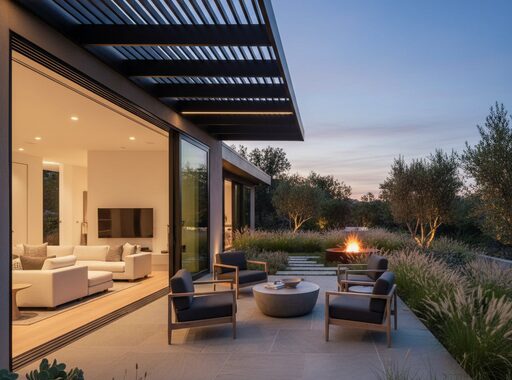
I once heard a designer say that a house without landscaping is like a beautiful painting without a frame. You could spend $50,000 on the house itself, but if the lawn is patchy and the walkway is cracked, the whole project feels unfinished. This is often the most overlooked part of an exterior renovation checklist.
A basic professional landscaping project (new sod, some shrubs, and mulch) can start around $3,000. However, if you want “hardscaping”—things like stone walkways, a new driveway, or a retaining wall—be prepared to add $10,000 to $25,000. Lighting is another crucial element. Low-voltage LED landscape lighting usually costs about $2,000 to $5,000 for a full setup, but the way it transforms your home at night is priceless.
This is where my story took a bit of a turn. I thought I had everything figured out until I realized I hadn’t accounted for the “invisible” costs. These are the items that don’t make the house look better but are essential for the project to happen legally and safely.
Depending on where you live, your city might require permits for roofing, structural changes, or even certain types of fences. These can range from $200 to $1,000. Never skip this step; unpermitted work can cause major headaches when you try to sell your home later.
When you rip off old siding or shingles, that waste has to go somewhere. Renting a large roll-off dumpster usually costs between $400 and $800 per week. Make sure your contractor has included “haul-away” fees in their quote, or you’ll be stuck with a mountain of trash on your lawn.
If there is one piece of advice I can give you, it is this: Always set aside an extra 10% to 15% of your total budget for surprises. When my contractors pulled off my old siding, they found termite damage in a corner post that wasn’t visible from the outside. Because I had a contingency fund, it was a minor setback instead of a project-stopping catastrophe.
If you can’t afford to do everything at once, don’t panic. Most homeowners phase their renovations over two or three years. Here is how I suggest prioritizing your checklist to get the best return on investment (ROI):
Renovating the exterior of your home is a marathon, not a sprint. It requires patience, a bit of grit, and a very organized spreadsheet. Looking back at my house now, I don’t see the stress of the budget or the weeks of constructiooise. I see a home that reflects the pride I have in ownership—a place that feels welcoming the moment I turn into the driveway.
By using this checklist, you aren’t just managing costs; you are managing your peace of mind. Take it one step at a time, hire contractors you trust, and always keep your eye on the long-term value. Your dream home is already there—it’s just waiting for its new coat of armor.