 11
11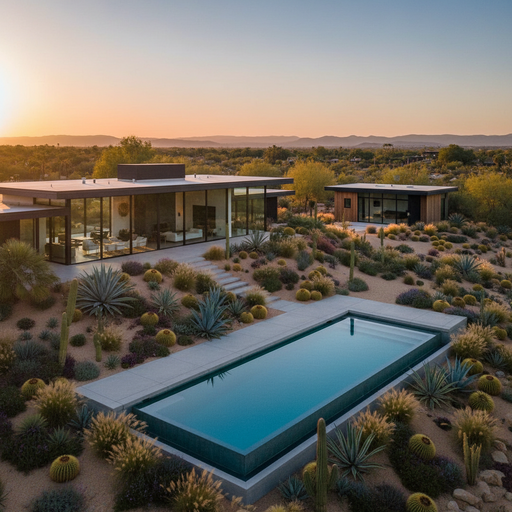
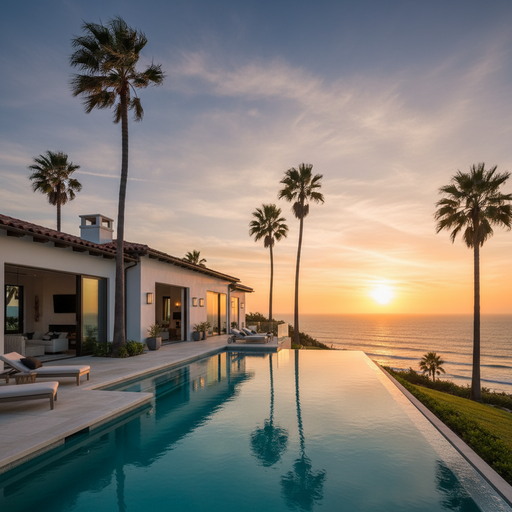
For decades, the California dream was synonymous with a white picket fence, a turquoise swimming pool, and a short drive to the Pacific Ocean. However, as we navigate through 2024, that dream is undergoing a fascinating transformation. If you have been tracking the California residential property market lately, you know it feels a bit like riding a rollercoaster at Six Flags—thrilling, slightly terrifying, and full of unexpected turns.
I remember talking to a young couple, Sarah and Mark, who spent the last year searching for their first home in the East Bay. They started with a vision of a mid-century modern home with a view. What they found instead was a market defined by limited inventory, “golden handcuffs” created by low-interest rates of the past, and a sudden surge in the popularity of backyard cottages. Their journey reflects the broader shifts happening across the state. From the tech hubs of Silicon Valley to the sprawling suburbs of the Inland Empire, the California real estate landscape is being reshaped by economic pressures, legislative changes, and a fundamental shift in how we live and work.
One of the most significant trends currently dominating California is the sheer lack of available homes. You might wonder why, with prices remaining high, more people aren’t selling. The answer lies in what economists call the “locked-in” effect. During the pandemic, millions of Californians refinanced their homes or bought new ones at historic low-interest rates, some as low as 2.5% or 3%.
Fast forward to today, and mortgage rates have hovered significantly higher. For a homeowner sitting on a 3% rate, moving to a new house with a 7% rate means their monthly payment could nearly double for the exact same loan amount. This has created a stalemate. People aren’t moving because they can’t afford to lose their current financing. This lack of “churn” in the market means that when a quality home does hit the market, competition remains fierce, often leading to multiple offers and prices that defy national cooling trends.
California has long struggled with a housing shortage. Despite various legislative efforts to streamline building permits, the state still isn’t building enough units to keep up with demand. This supply-demand imbalance is the primary reason why, even in the face of economic uncertainty, property values in major California metros haven’t seen the dramatic crash that some pundits predicted.
While San Francisco, Los Angeles, and San Diego remain the heavy hitters, the real action is moving inland. We are witnessing a massive demographic shift toward the Inland Empire (Riverside and San Bernardino counties) and the Central Valley (Sacramento, Fresno, and Bakersfield).
Why the move? It’s simple: affordability and space. With the permanence of hybrid work models, professionals are no longer tethered to a five-day-a-week commute to a downtown office. This has allowed families to trade a cramped condo in Santa Monica for a four-bedroom house with a yard in Temecula or Roseville. This migration is driving up prices in these historically “affordable” regions, creating new mini-hubs of economic growth and cultural development.
If you walk through a residential neighborhood in Los Angeles or San Jose today, you’ll likely see a lot of construction in backyards. These are Accessory Dwelling Units (ADUs), often called gray flats or casitas. Recent California state laws have made it much easier for homeowners to build these units, bypassing many of the restrictive local zoning laws that stood in the way for years.
The trend is twofold. First, homeowners are using ADUs as a way to generate passive income to help offset high mortgage payments. Second, they are using them for multi-generational living. With the cost of elderly care rising and young adults struggling to afford their own rent, having a second unit on the property is becoming a practical necessity for many California families. This “gentle density” is one way the state is trying to solve the housing crisis without destroying the character of suburbaeighborhoods.
In California, environmental factors are no longer just a “nice-to-have” feature; they are a core component of property value. Buyers are increasingly asking about a home’s wildfire risk, water efficiency, and energy sources. Homes equipped with solar panels, Tesla Powerwalls, and drought-tolerant landscaping (xeriscaping) are commanding a premium.
We are seeing a shift in aesthetics as well. The lush green lawns of the 1990s are being replaced by beautiful, modern rock gardens, native California plants, and high-tech irrigation systems. Furthermore, new building codes in California are among the strictest in the nation regarding energy efficiency, ensuring that new residential properties are built to withstand the realities of a changing climate.
It is impossible to discuss California real estate without mentioning the insurance market. Several major insurers have paused or limited new policies in the state due to wildfire risks. This has made the “due diligence” period of a home purchase more critical than ever. Buyers are now checking for insurance availability before even making an offer, and in high-risk zones, the cost of a policy can be a deal-breaker.
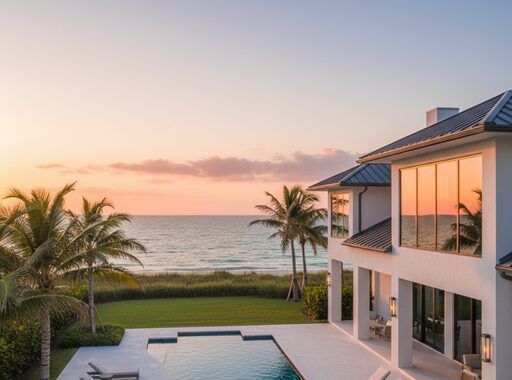
While the middle market struggles with interest rates, the luxury segment—properties priced at $5 million and above—operates on a different set of rules. In enclaves like Montecito, Malibu, and Atherton, cash is king. Since these buyers are less dependent on traditional financing, the high-interest-rate environment hasn’t slowed them down as much.
What luxury buyers are looking for today is “turn-key” perfection. In a post-pandemic world, the desire to undergo a two-year renovation has waned. Buyers want fully furnished, designer-ready homes with integrated wellness centers, cold plunges, and high-end home offices. Privacy and security remain the top priorities, driving interest in gated communities and technologically advanced smart-home systems.
Looking toward the end of 2024 and into 2025, we expect a gradual softening of the market—not in terms of price drops, but in terms of pace. If the Federal Reserve begins to lower interest rates, we may see a “thaw” in the market as those “locked-in” homeowners finally feel comfortable listing their properties.
For buyers, the mantra remains: “Marry the house, date the rate.” Many are choosing to buy now despite high rates to avoid the inevitable price surge that will happen when rates eventually drop and everyone rushes back into the market. For sellers, the key is preparation. A well-staged, energy-efficient home that is priced realistically will still sell quickly in almost any California neighborhood.
The California residential property market is in a period of profound evolution. It is a market defined by contrasts: extreme scarcity alongside iovative new housing solutions like ADUs, and a shift from coastal congestion to inland opportunity. While the challenges of affordability and insurance are real, the fundamental allure of the Golden State—its climate, its economy, and its culture—continues to draw people in.
Whether you are a first-time buyer like Sarah and Mark or a seasoned investor, understanding these trends is crucial. The California dream isn’t dead; it’s just being redesigned for a new generation that values flexibility, sustainability, and smart living. As we look forward, the resilience of California real estate remains its most defining characteristic, proving that even in a shifting landscape, there is no place quite like home in the Golden State.