 11
11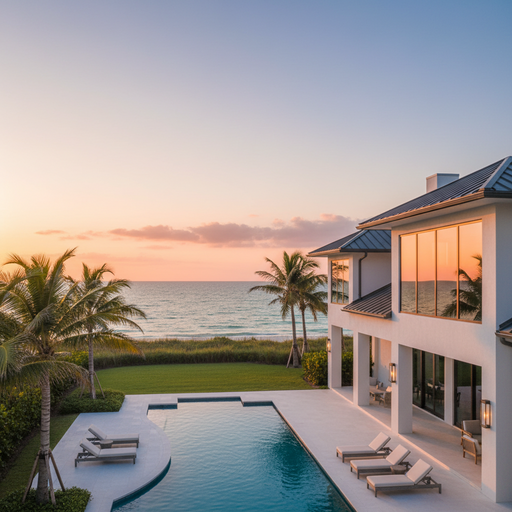
Imagine waking up to the gentle sound of waves lapping against the shore and the smell of fresh salt air wafting through your window. For many, this isn’t just a vacation fantasy—it is the daily reality of living in a Florida beach neighborhood. Florida’s coastline stretches for over 1,300 miles, offering a diverse palette of lifestyles, architectures, and communities. Whether you are looking for a sleepy surf town or a high-end luxury enclave, the Sunshine State has a corner of paradise waiting for you.
Buying a home in a beach neighborhood is more than just a real estate transaction; it is a commitment to a specific rhythm of life. It’s about trading business suits for linen shirts and alarm clocks for the natural light of a coastal sunrise. In this guide, we will explore what makes Florida beach neighborhoods so special, the different “vibes” you can find across the state, and the practicalities of making the coastal dream your permanent reality.
One of the first decisions any prospective Florida homeowner must make is which side of the peninsula to call home. While both offer stuing views, the Atlantic and Gulf coasts provide very different experiences.
The Atlantic side of Florida is known for its energetic atmosphere and consistent waves. From the historic charm of Fernandina Beach near the Georgia border down to the glamorous shores of Miami, this coast is perfect for those who love activity. Towns like New Smyrna Beach and Cocoa Beach are meccas for surfers and young families, offering a laid-back, community-centric vibe. Further south, places like Palm Beach and Boca Raton offer a more sophisticated, upscale neighborhood feel with manicured lawns and Mediterranean-style estates.
On the western side of the state, the Gulf of Mexico offers calmer, turquoise waters and some of the world’s most beautiful white-sand beaches. Neighborhoods along the “Emerald Coast” in the Panhandle, such as those found along Scenic Highway 30A, feature a unique “New Urbanism” design where everything is walkable and every house looks like it belongs in a magazine. Further south, the Cultural Coast near Sarasota and the luxury enclaves of Naples provide a refined living experience focused on arts, fine dining, and breathtaking sunsets that paint the sky every single evening.
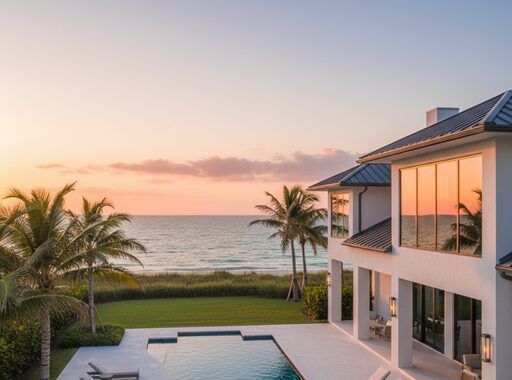
When you start touring homes in these neighborhoods, you’ll notice that Florida coastal architecture is both beautiful and functional. It’s designed to withstand the elements while maximizing the indoor-outdoor living experience.
Perhaps the biggest draw of a beach neighborhood is the sense of community. Take, for example, the story of the Miller family, who moved from a landlocked suburb in the Midwest to a small beach community in Aa Maria Island. They quickly discovered that life slowed down. Instead of driving to a gym, they started their mornings with a beach walk. Instead of meeting friends at a noisy restaurant, they gathered for “sunset happy hour” on the sand, where neighbors naturally congregate to watch the sun dip below the horizon.
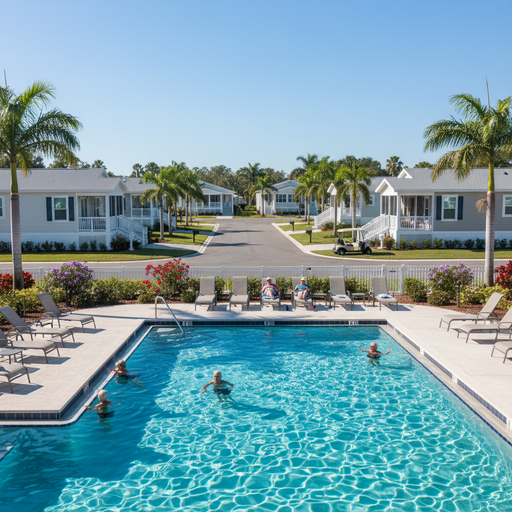
In these neighborhoods, transportation often shifts from cars to golf carts and bicycles. Many coastal towns are designed with narrow, shaded streets that encourage walking. You’ll find that you know your neighbors better because everyone is outside enjoying the same natural beauty. It’s a lifestyle that prioritizes wellness, relaxation, and a coection to nature.
While the dream is idyllic, buying a home near the ocean requires a bit more due diligence than a standard suburban purchase. Here are a few things to keep in mind:
Living near the water means dealing with the reality of hurricanes and flooding. It is crucial to work with a local insurance agent who understands Florida’s unique market. You will likely need separate policies for windstorm and flood insurance. Additionally, checking the “Elevation Certificate” of a property can help you understand your risk level and potential insurance costs.
Salt air is incredibly beautiful but also incredibly corrosive. Exterior maintenance is a bigger part of life in a beach neighborhood. You may find yourself pressure washing your home more often, servicing your AC unit more frequently (as salt can eat away at the coils), and choosing specific paints that hold up against intense UV rays. For many, this is a small price to pay for the view, but it’s something to budget for.
Many Florida beach neighborhoods are governed by Homeowners Associations (HOAs). These can be great for maintaining property values and providing amenities like private beach access or community pools. However, if you plan on renting out your home as a vacation rental when you aren’t there, you must check the local zoning laws and HOA rules. Some areas are very welcoming to “Airbnb” styles of living, while others have strict minimum-stay requirements.
So, how do you find the right neighborhood? The best advice is to “date” the area before you “marry” it. Spend a week in a rental during the off-season and another week during the peak tourist season. Walk the streets at different times of the day. Does the neighborhood feel too crowded when the tourists arrive? Does it feel too lonely when they leave? The perfect beach neighborhood should feel like home regardless of the season.
From the historic bungalows of St. Augustine to the modern masterpieces of Siesta Key, Florida’s beach neighborhoods offer a variety of ways to live the coastal life. It’s about finding the place where the sand feels right between your toes and the community feels like family.
Moving to a Florida beach neighborhood is a life-changing decision. It is a choice to prioritize peace, beauty, and a slower pace of life. While there are practical hurdles to clear—like understanding insurance and coastal maintenance—the rewards are immeasurable. There is a profound sense of calm that comes with living near the ocean, a feeling that no matter how stressful your day was, the sunset will always be there to reset your soul.
Florida’s beach homes aren’t just buildings; they are gateways to a better way of living. Whether you are looking for a permanent residence, a retirement haven, or a family vacation hub, the neighborhoods along Florida’s coasts are ready to welcome you home. The waves are calling—isn’t it time you answered?