The Evolution of the Classic American Ranch
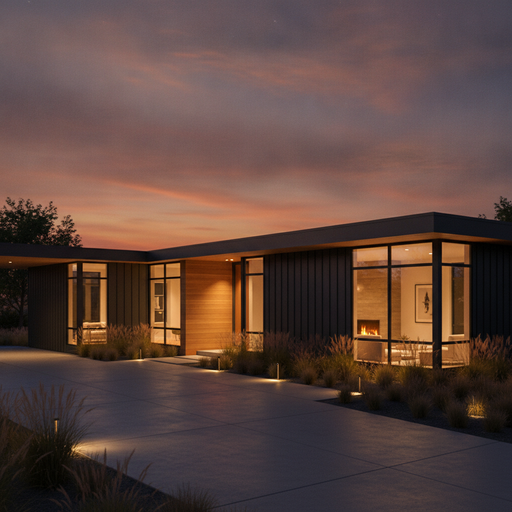
Imagine driving down a quiet, sun-drenched suburban street. You pass row after row of the classic “cookie-cutter” houses from the 1950s and 60s—long, low-slung buildings with beige siding and tiny windows. But then, your eyes catch something different. It is still a single-story home, still hugging the earth with that familiar horizontal silhouette, but it feels entirely new. It features striking black metal accents, warm cedar planks, and massive glass walls that seem to invite the entire neighborhood’s natural beauty inside. This is the modern ranch, and it is currently leading the pack in the world of architectural revivals.
For decades, the ranch-style home was considered a bit dated, a relic of a bygone era of suburban expansion. However, the “Modern Ranch” movement has breathed fresh life into these structures. By focusing on clean lines, natural materials, and an emphasis on indoor-outdoor living, designers are proving that you don’t need a multi-story mansion to achieve high-end luxury and sophisticated style. In this guide, we will explore the essential elements of modern ranch exterior design and how you can apply these inspirations to your own home.
Embracing the Low-Slung Silhouette
The hallmark of any ranch house is its horizontal orientation. While traditional ranches often felt “squat,” the modern interpretation uses this low profile to its advantage. Instead of trying to make the house look taller, modern design emphasizes the length of the building to create a sense of groundedness and serenity.
To achieve this, many homeowners are opting for “long” materials. Think of horizontal wood slatting or elongated Roman bricks. These materials draw the eye across the facade, making the home feel expansive and purposeful. If you are renovating, consider removing any vertical elements that disrupt this flow, such as uecessary shutters or tall, narrow decorative pillars, and replacing them with structural elements that celebrate the horizontal plane.
The Power of a High-Contrast Color Palette
If you want to instantly modernize a ranch exterior, the easiest place to start is with the color palette. Gone are the days of “safe” tans, creams, and muted greens. Today’s modern ranch thrives on contrast. One of the most popular trends is the “Black and Wood” aesthetic. By painting the main body of the house a deep charcoal or matte black and accenting it with natural wood (like cedar or ipe), you create a look that is both edgy and organic.
If black feels too daring, consider a “Warm Minimalist” approach. This involves using varying shades of white and off-white—think alabaster or Swiss coffee—paired with light oak accents and black metal window frames. The result is a home that feels bright, airy, and incredibly welcoming. The key is to avoid middle-of-the-road colors; you want your choices to be intentional and bold.
Material Play: Mixing Textures for Visual Interest
In modern architecture, texture is the new “decor.” Because modern ranches often lack the ornate trim and molding of traditional homes, the materials themselves have to do the heavy lifting. A well-designed modern ranch exterior usually features a mix of at least three distinct materials. Here is a wiing combination often seen in high-end designs:
- Natural Wood Siding: Vertical or horizontal tongue-and-groove cedar adds warmth and prevents the modern design from feeling too cold or industrial.
- Smooth Stucco or Fiber Cement: Using large, flat panels of fiber cement (like Hardie Board) creates a clean, monolithic look that serves as a perfect backdrop for other textures.
- Natural Stone or Concrete: Whether it’s a stacked stone accent wall or a board-formed concrete planter, adding an earthy, heavy element grounds the house and adds a sense of permanence.
By layering these materials, you create depth. For example, you might have a dark-painted brick foundation, a smooth white stucco mid-section, and a cedar-clad entryway that acts as a focal point, drawing guests toward the front door.
Windows: The Soul of the Modern Ranch
Perhaps the most significant difference between an old-fashioned ranch and a modern one is the treatment of windows. Traditional ranches often featured small, double-hung windows that felt discoected from the outdoors. The modern ranch, however, treats windows as “transparent walls.”
If your budget allows, replacing small windows with large, fixed-pane glass or floor-to-ceiling sliding doors is the single most impactful change you can make. Black-framed windows are the gold standard here; they act like a picture frame for the view outside. Beyond aesthetics, these large openings serve a functional purpose in the ranch lifestyle: they blur the line between the living room and the backyard, making the home feel much larger than its actual square footage.
The Grand Entrance: Defining the Entryway
Because ranch homes are long, the front door can sometimes get “lost” in the facade. A modern design solves this by creating a dedicated architectural “moment” for the entrance. This can be achieved through several design tricks:
- The Extended Overhang: A flat or shed-roof extension over the front door provides shelter and creates a dramatic shadow line.
- The Statement Door: Think oversized pivot doors made of solid wood or glass with sleek, matte black hardware.
- Lighting: Instead of a single porch light, use recessed LED strips or modern sconces that wash the wall with light, highlighting the texture of the siding.
Indoor-Outdoor Flow: Creating the Modern Patio
The modern ranch isn’t just about how the house looks from the street; it’s about how the house interacts with the land. Modern ranch design often features “U” or “L” shaped footprints that wrap around a central courtyard or backyard patio. This area should feel like an extension of the interior.
Consider using the same flooring material—such as large-format porcelain tiles or polished concrete—both inside the living room and out on the patio. When the glass doors are slid open, the transition is seamless. To complete the look, add a minimalist fire pit, built-in bench seating, and perhaps a pergola with clean, right-angled lines. This creates an outdoor “room” that adds functional square footage to your single-story home.
Landscaping: The Finishing Touch
Traditional ranches were often surrounded by overgrown evergreen bushes that hid the base of the house. Modern landscaping takes the opposite approach. The goal is to complement the architecture, not hide it. This often involves “Xeriscaping” or using native plants arranged in a structured, intentional way.
Think of ornamental grasses, agave, or structural shrubs planted in geometric beds filled with black river rock or pea gravel. Use concrete pavers with “steppable” ground cover (like moss or dymondia) between them to create a modern walkway. The landscaping should feel like an extension of the home’s geometry, with straight lines and clear boundaries.
Conclusion: Bringing it All Together
The modern ranch is more than just a trend; it is a celebration of efficient, beautiful, and accessible living. By focusing on the horizontal lines that define the style while injecting contemporary materials like black metal, glass, and warm wood, you can transform a dated exterior into a stuing architectural statement. Whether you are doing a full-scale renovation or just looking for a few ways to boost your curb appeal, the principles of the modern ranch—simplicity, contrast, and a coection to nature—will ensure your home remains stylish for decades to come.
Remember, the heart of modern design is intentionality. Every choice, from the color of the window frames to the texture of the driveway, should work together to tell a story of refined, single-story elegance. So, take a look at your home with fresh eyes, embrace the beauty of the “long and low,” and start your journey toward a modern ranch masterpiece.

