 11
11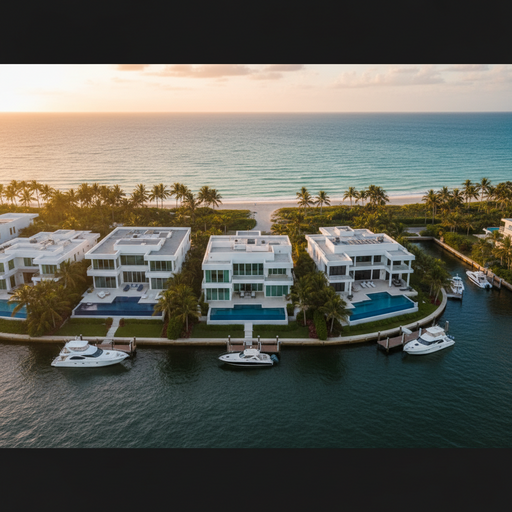
Imagine waking up to the sound of rhythmic waves crashing against the shore, the golden Florida sun peeking through your floor-to-ceiling windows, and the scent of salt air filling your morning. For decades, this dream has fueled one of the most aggressive real estate markets in the world. Florida’s coastline isn’t just a geographic boundary; it is a brand, a lifestyle, and for many, the ultimate retirement or investment goal.
However, if you have been watching the headlines lately, you know that the narrative of Florida coastal housing is shifting. The frantic “gold rush” of 2021 and 2022 has evolved into a more complex, nuanced story. We are no longer in a market driven solely by cheap interest rates and remote-work desperation. Today’s Florida coastal market is defined by a tug-of-war between undeniable demand and the sobering realities of insurance costs, new building regulations, and a stabilizing inventory. Let’s dive deep into the trends shaping the Sunshine State’s shores today.
Despite the rising costs of living, the influx of new residents to Florida remains a primary engine for the housing market. But the “who” and the “why” have changed slightly. In previous years, we saw a massive wave of “lifestyle refugees” fleeing high-tax states like New York, New Jersey, and California. While that trend continues, we are now seeing a more strategic buyer entering the coastal market.
These are often high-net-worth individuals or corporate professionals moving because of Florida’s business-friendly environment. As major financial and tech firms open offices in Miami, West Palm Beach, and Tampa, the demand for luxury coastal housing has remained remarkably resilient. For these buyers, a multi-million dollar condo in Suy Isles or a waterfront estate iaples isn’t just a home; it is an asset in a state with no personal income tax—a trade-off that often justifies the premium prices.
You caot talk about Florida coastal housing trends without addressing the most significant hurdle facing homeowners today: property insurance. Over the last two years, premiums have skyrocketed, and some major national carriers have scaled back their presence in the state. This has created a ripple effect across the entire coastal market.
For the average buyer, the monthly “PITI” (Principal, Interest, Taxes, and Insurance) calculation has shifted dramatically. In some coastal zones, the insurance premium caearly equal the mortgage interest. This has led to a “bifurcation” of the market:
This trend is forcing sellers to be more realistic about their pricing, especially if their homes do not have updated roofs or hurricane-grade windows, which are essential for securing lower insurance rates.
In the wake of the tragic Surfside collapse a few years ago, Florida passed stringent new laws regarding condo safety and reserve funding (SB 4-D and SB 154). These laws require older buildings—many of which are located directly on the coast—to undergo rigorous inspections and fully fund their financial reserves for future repairs.
This has led to a significant trend in the coastal market: the “Condo Sell-Off.” Owners in older buildings are facing massive special assessments to cover these newly required repairs. Consequently, we are seeing an uptick in inventory for older coastal condos. Conversely, this has skyrocketed the demand for new construction. Modern buildings, constructed under the latest hurricane codes and without the baggage of “deferred maintenance,” are selling at a significant premium. Buyers are willing to pay more for the peace of mind that comes with a building that meets 2024 safety standards.
For a long time, the story of Florida real estate was “zero inventory.” If a house hit the market on a Tuesday, it was gone by Wednesday with ten backup offers. Today, the pace has slowed to a more traditional walk. Inventory levels in coastal counties like Sarasota, Palm Beach, and Pinellas have begun to rise.
However, if you are waiting for a “crash,” you might be disappointed. While the days of 20% aual appreciation are likely over, prices have remained relatively stable. Sellers who don’t “need” to move are staying put, locked into 3% mortgage rates, which keeps supply from flooding the market. This has created a “waiting game” between buyers hoping for lower rates and sellers holding onto their equity.
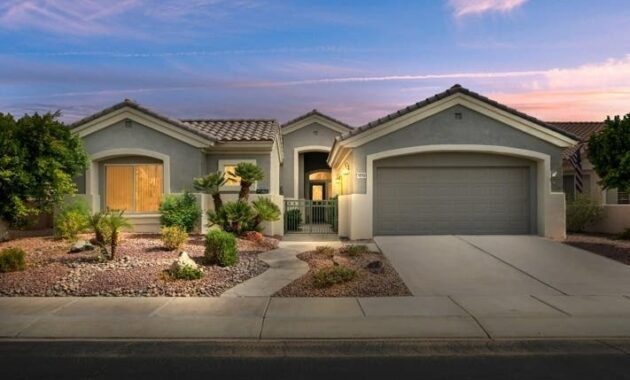
A fascinating trend in Florida coastal housing is the evolution of home design. We are seeing a move away from the traditional Mediterranean-style stucco mansions toward “Resilient Modernism.” These are homes built to withstand the elements while maintaining a high-end aesthetic.
Key features of this trend include:
Navigating the Florida coastal housing market in 2024 requires more than just a love for the beach; it requires a strategy. The market is maturing. The frantic “buying sight unseen” of the pandemic era has been replaced by a “flight to quality.” Buyers are doing their due diligence, scrutinizing condo association financials, and calculating the long-term costs of climate resilience.
Despite the challenges of insurance and new regulations, the fundamental draw of Florida remains. The lifestyle, the tax benefits, and the sheer beauty of the Gulf and Atlantic coasts continue to outweigh the obstacles for thousands of new residents each month. If you are looking to buy, the current trend suggests that patience and a focus oewer or updated “hardened” properties will be your best path to a solid investment. The Florida sun is still shining, but today’s buyers are making sure they have a very sturdy umbrella.