Sunshine State’s Smart Play: Unlocking Manufactured Housing Investment in Florida
SUBMIT YOUR DETAILS FOR
Florida. The name alone conjures images of sun-drenched beaches, swaying palm trees, and endless vacation possibilities. But beyond the tourist brochures and retirement dreams lies a robust and dynamic real estate market, one that often overshadows a quiet but incredibly promising investment niche: manufactured housing. For years, “mobile homes” carried a certain stigma, but today’s manufactured homes are a far cry from their predecessors. They represent a significant, often undervalued, opportunity for savvy investors looking for stable returns and growth in the Sunshine State.
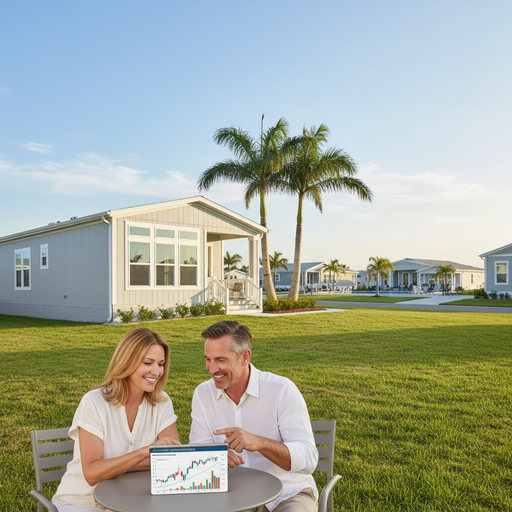
Imagine this: you’re enjoying a warm Florida evening, perhaps after reviewing your investment portfolio, which is steadily growing thanks to a strategic, yet often overlooked, asset class. This isn’t just a fantasy. It’s the reality for a growing number of investors who have discovered the unique benefits of manufactured housing in Florida. If you’ve been searching for a resilient, high-yield investment with lower entry barriers than traditional real estate, then grab a glass of iced tea, because we’re about to explore Florida’s hidden real estate gem.
Why Florida? The Golden State’s Irresistible Appeal for Investors
Before diving into manufactured housing itself, let’s understand why Florida is such a compelling location for any real estate investment. The state is a magnet for people from all walks of life, and this population growth fuels demand across all housing sectors.
Unstoppable Population Growth and Demographics
Florida consistently ranks among the fastest-growing states in the U.S. People flock here for various reasons: a favorable tax environment (no state income tax), a warm climate, and an abundance of recreational activities. This influx includes not just retirees and snowbirds, but also young families and professionals drawn by expanding job markets in technology, healthcare, and logistics. This diverse demographic ensures a constant demand for housing, from luxurious waterfront properties to more affordable options. Manufactured housing plays a crucial role in addressing the latter, providing quality, attainable homes for a significant portion of the population.
Booming Tourism and Economic Resilience
Florida’s tourism industry is legendary, bringing millions of visitors aually and creating countless jobs. This robust economic activity supports local businesses and infrastructure, creating a stable environment for real estate investments. Even during economic downturns, Florida’s fundamental appeal often helps its real estate market demonstrate remarkable resilience, particularly in the more affordable segments.
Favorable Real Estate Trends
While traditional home prices in Florida can be steep, the manufactured housing sector often operates with different dynamics. It offers a solution to the state’s affordable housing crisis, making it an essential and increasingly valued part of the housing ecosystem. As housing affordability becomes a more pressing issue, the demand for well-maintained, modern manufactured homes only grows.
Understanding Manufactured Housing: More Than Just ‘Mobile Homes’
Let’s address the elephant in the room: the outdated perception of “mobile homes.” Many envision flimsy trailers from decades past. However, modern manufactured homes are a world apart.
HUD Code: The Gold Standard
Since 1976, all manufactured homes built in the United States must adhere to the rigorous safety and quality standards set by the U.S. Department of Housing and Urban Development (HUD). This “HUD Code” covers everything from design and construction to energy efficiency and fire safety. These homes are built in climate-controlled factories, often with a level of precision and quality control that rivals or even surpasses site-built homes.
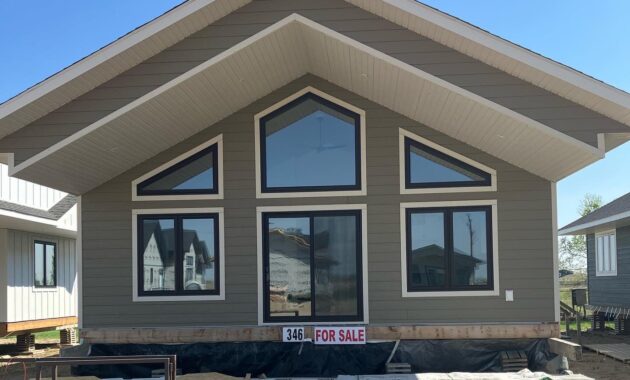
- Quality Construction: Modern manufactured homes feature drywall, pitched roofs, vaulted ceilings, gourmet kitchens, and spacious layouts. They are designed for energy efficiency and durability.
- Appreciation Potential: While older mobile homes might not have appreciated significantly, modern manufactured homes, especially those on owned land, can appreciate much like traditional stick-built homes, influenced by location, market demand, and maintenance.
- Permanence: Once installed, these homes are not “mobile.” They are typically set on permanent foundations, anchored, and coected to utilities, designed to stay in place for decades.
The Investment Advantages: Why Consider Manufactured Homes?
Now that we’ve dispelled the myths, let’s explore the compelling reasons why manufactured housing is an intelligent investment strategy in Florida.
Higher ROI Potential and Lower Entry Costs
One of the most attractive aspects is the potential for higher returns on investment (ROI). The initial capital required to purchase a manufactured home is often significantly lower than for a traditional stick-built house. This lower entry barrier means a higher potential cap rate and cash-on-cash return, especially if you’re buying into a well-managed community or purchasing a home that needs cosmetic updates.
Addressing Florida’s Affordable Housing Need
As traditional housing costs soar, more and more Floridians are turning to manufactured homes as their primary residence. This creates a robust and reliable tenant pool. You’re not just investing in real estate; you’re providing a valuable and necessary housing solution for families, retirees, and individuals who desire homeownership without the exorbitant price tag of traditional homes.
Resilience and Stability
The affordable housing segment tends to be more resilient during economic downturns. People always need a place to live, and when times are tough, demand for cost-effective housing often increases. This can translate into more stable occupancy rates and consistent rental income for manufactured home investors.
Simplified Maintenance
Because manufactured homes are factory-built, many components are standardized, potentially simplifying repairs and reducing maintenance costs compared to custom-built homes. Many communities also handle common area maintenance, further easing the burden on investors.
Key Investment Avenues in Florida’s Manufactured Housing Market
There are several ways to enter the manufactured housing investment space in Florida, each with its own benefits and considerations.
1. Purchasing Individual Homes for Rental
This is often the entry point for many investors. You buy a manufactured home, typically already situated in a manufactured home community, and then rent it out to tenants. In this scenario, you own the home, but your tenant pays you rent, and you, in turn, pay a lot lease fee to the community owner. This model offers:
- Lower capital outlay compared to buying land and home.
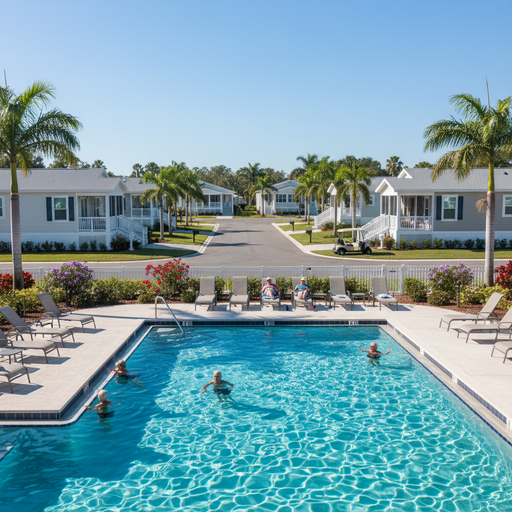
- Access to community amenities for your tenants (pools, clubhouses, social events).
- A steady stream of rental income.
2. Investing in Manufactured Home Communities (MHCs)
This is a larger-scale investment, often requiring significant capital or partnering with syndicates. When you invest in an MHC, you own the land and all the infrastructure (roads, utilities, amenities), and you rent out individual lots to homeowners. The homeowners own their homes but pay you a monthly lot rent. This model is often lauded as the “perfect landlord” scenario because:
- Tenants own their homes, giving them a vested interest in maintaining their property and adhering to community rules.
- Lower turnover costs since tenants are less likely to move their homes.
- Consistent, recurring income from lot rents.
- Potential for significant appreciation of the land and infrastructure.
3. Purchasing Land and Home Together
In some instances, you might find opportunities to purchase both a manufactured home and the land it sits on. This gives you complete ownership and control, eliminating lot lease fees and allowing for greater potential equity build-up and appreciation over time, much like a traditional single-family home.
4. Fix-and-Flip (with Caution)
For those with a knack for renovation, buying an older manufactured home, renovating it, and then selling it for a profit can be an option. However, this niche requires a thorough understanding of the market, renovation costs, and the specific rules of the community (if applicable). Due to the nature of manufactured homes, extensive structural renovations can be complex, so focus often leans towards cosmetic upgrades.
Navigating the Florida Market: What to Look For
Successful investment hinges on diligent research and understanding the nuances of the Florida market.
Location, Location, Location
Just like any real estate, proximity to desirable features is key. Look for communities or homes near:
- Major employment centers or burgeoning job markets.
- Popular tourist destinations, beaches, or attractions.
- Essential amenities like hospitals, shopping centers, and good schools.
- Areas with strong retiree populations, who often prefer the community aspect of MHCs.
Community Quality and Management
If you’re investing in a home within an MHC or considering purchasing an MHC, the quality of the community management is paramount. A well-managed park with good amenities, clean common areas, and clear rules attracts desirable tenants and maintains property values. Visit the communities, speak to residents, and review their financials if possible.
Understanding Land Lease Agreements
For homes on leased land, thoroughly review the land lease agreement. Understand the lease term, potential for rent increases, and any restrictions or rules. A long-term, stable lease is ideal.
Due Diligence is Non-Negotiable
Before any purchase, conduct comprehensive due diligence. This includes:
- Home inspection: A professional inspection is crucial for any property.
- Market analysis: Understand comparable sales and rental rates in the area.
- Financial review: Analyze potential income, expenses (lot fees, taxes, insurance, maintenance), and projected ROI.
- Legal review: Ensure titles are clean and all regulations are met.
Potential Challenges and How to Mitigate Them
No investment is without its challenges. Being aware of them allows you to plan effectively.
Addressing the Stigma
Despite significant advancements, some lingering stigma associated with “mobile homes” can exist. Educating potential tenants or buyers about the quality of modern manufactured homes is key. Highlight HUD Code standards, energy efficiency, and modern amenities.
Financing Differences
Financing for manufactured homes, especially those on leased land, can differ from traditional mortgages. Chattel loans (for the home only) are common, but interest rates can be higher. However, options exist, including FHA, VA, and conventional loans if the home is on a permanent foundation and titled as real property. Research lenders specializing in manufactured housing.
Insurance Considerations
Florida is prone to hurricanes, and insuring manufactured homes can be a concern. Work with an insurance broker who specializes in manufactured home policies and understands Florida’s specific risks. Ensure you have adequate coverage for wind, flood, and liability. Modern manufactured homes are built to withstand specific wind zones, which can sometimes lead to more favorable insurance rates compared to older units.
Lot Rent Increases
If you own a home on leased land, the lot rent is subject to increase by the community owner. While these increases are usually incremental and regulated, they can impact your cash flow. Factor potential increases into your financial projections and understand the community’s history of rent adjustments.
The Future is Bright for Manufactured Housing in Florida
Investing in manufactured housing in Florida is not just about finding a good deal; it’s about tapping into a vital and growing segment of the real estate market. With Florida’s continuous growth, the increasing demand for affordable housing, and the evolution of manufactured homes into high-quality, desirable residences, the opportunities are ripe for the taking.
By understanding the market, conducting thorough due diligence, and choosing the right investment avenue, you can position yourself to achieve significant returns and build a robust, resilient portfolio in the Sunshine State. The “hidden gem” is no longer so hidden to those who are willing to look beyond traditional real estate and embrace the smart, strategic play of manufactured housing.
So, are you ready to unlock Florida’s unique investment potential? The future of affordable, quality housing is here, and it’s a smart move for any discerning investor.