 11
11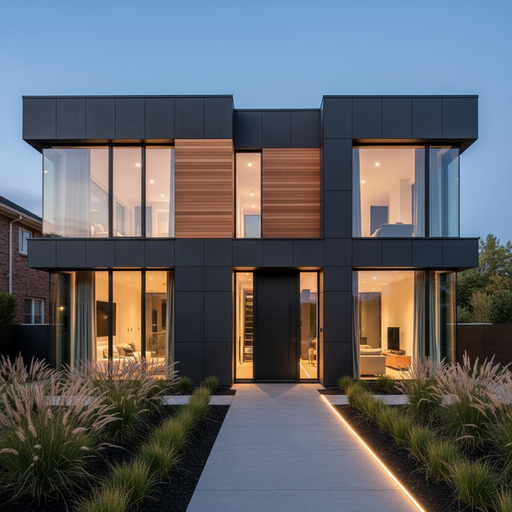
Imagine walking down a quiet suburban street. Most of the houses look the same—beige siding, tired brick patterns, and shutters that haven’t seen a fresh coat of paint since the nineties. But then, you see it. A house that stands out not because it’s loud, but because it’s sophisticated. It has clean lines, a mix of warm wood and slate-gray metal, and large windows that seem to invite the sunlight inside. It doesn’t just look like a building; it looks like a statement.
That was the transformation Sarah and James wanted for their 1985 colonial fixer-upper. Like many homeowners, they realized that while the interior is where you live, the exterior is how the world greets you. A modern exterior renovation isn’t just about “fixing” things; it’s about reimagining the identity of a home. Whether you are looking to increase your property value or simply want to fall in love with your home all over again, choosing the right modern style is the first step of the journey.
The core philosophy of minimalist modern design is “less is more.” If you’re someone who finds peace in organized spaces and clean edges, this style is for you. In a minimalist renovation, we strip away the decorative flourishes of the past—no more scalloped shingles or ornate columns.
Typically, this style features a monochromatic color palette. Think varying shades of white, charcoal, or even a bold “all-black” exterior. The focus shifts to the quality of the materials. Smooth stucco, large-format fiber cement panels, and hidden gutter systems create a seamless silhouette. By removing the visual noise, the architecture itself becomes the art piece.
Once reserved for converted warehouses in downtown lofts, the industrial style has made its way to residential suburbs. This style is perfect for homeowners who appreciate raw, honest materials. It’s a bit rugged, incredibly durable, and feels very “now.”
An industrial renovation often utilizes corrugated metal siding, exposed steel beams, and concrete finishes. To keep it from feeling too cold, designers often pair these “hard” materials with warm wood accents, such as cedar or ipe wood. The contrast between the cold grey metal and the warm orange hues of the wood creates a visual tension that is undeniably high-end.
You’ve likely seen this style popularized by HGTV, but the “Modern Farmhouse” is more than just a trend—it’s a lifestyle. It bridges the gap between traditional comfort and contemporary sleekness. It’s the perfect choice if you want a modern look that still feels “cozy” and welcoming to the neighbors.
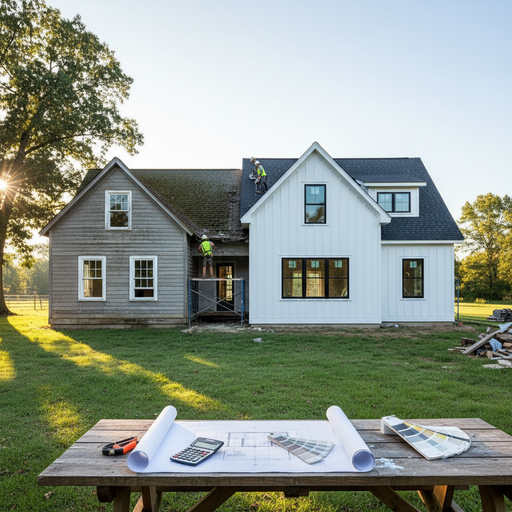
The hallmark of the modern farmhouse is white vertical board-and-batten siding contrasted with black window frames. Unlike the traditional farmhouse, the modern version ditches the clutter. The porch is still there, but the railings are thin black cable or glass. The lighting consists of oversized gooseneck lamps or sleek lanterns. It’s a look that says, “I value heritage, but I live in the future.”
If your home was built between 1945 and 1970, a Mid-Century Modern (MCM) renovation is the most authentic way to upgrade. This style celebrates the coection between the indoors and the outdoors. It’s characterized by asymmetrical shapes, flat roofs, and wide eaves.
When renovating in this style, focus on the “pop.” MCM homes often feature a neutral base with a single, vibrant accent color—like a bright orange or teal front door. Integrating natural stone walls with horizontal wood siding is another classic move. The goal is to make the house look like it’s growing out of the landscape rather than sitting on top of it.
As we become more environmentally conscious, “Biophilic” design has surged in popularity. This style is all about bringing nature into the architecture. It’s not just about aesthetics; it’s about wellness. A biophilic renovation often includes “living walls” (vertical gardens), sustainable materials like reclaimed wood, and massive glass sliding doors that erase the boundary between the living room and the backyard.
In this style, you’ll see earth tones—moss greens, sandy beiges, and deep browns. The landscaping is just as important as the siding. Instead of a manicured lawn, you might see wild ornamental grasses and native stones that flow right up to the house’s foundation.
One of the biggest mistakes in old-school home design was using only one material for the entire house. Modern design throws that rule out the window. Today’s most stuing renovations use a “trio” of textures to create depth.
For example, you might see a home that uses:
This layering of materials makes the house look custom-built and architecturally significant.
Sarah and James, our couple from earlier, found that their renovation wasn’t complete until they addressed the “accessories.” You can spend thousands oew siding, but if your old, yellowed porch light is still there, the look fails.
Modern lighting should be architectural. Use LED strip lighting under the stairs, “up-lighting” to highlight the texture of a stone wall, and sleek, minimalist path lights. For landscaping, think in “blocks.” Instead of a messy flower bed, plant rows of identical shrubs or use steel edging to create clean borders between gravel and grass.
Renovating your home’s exterior is a journey of rediscovery. It’s about looking at four walls and seeing a canvas. Whether you lean toward the stark cleanliness of Minimalism, the rugged charm of Industrial Chic, or the welcoming vibe of the Modern Farmhouse, the goal is the same: to create a home that reflects who you are today.
As Sarah and James stood on their driveway, looking at their finished project—a beautiful mix of charcoal metal and warm cedar—they didn’t just see a house. They saw a fresh start. A modern exterior isn’t just about curb appeal; it’s about the pride you feel every time you pull into your driveway. It’s time to stop dreaming about that “modern house” and start building it. Your home’s soul is waiting to be found.