 11
11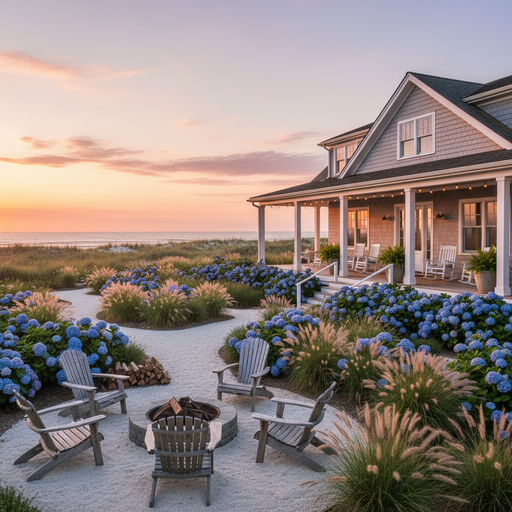
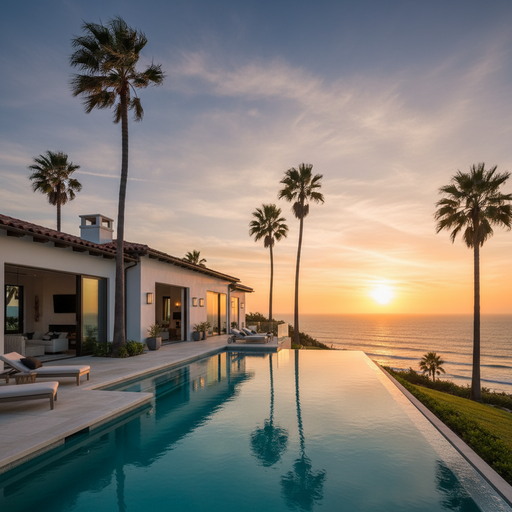
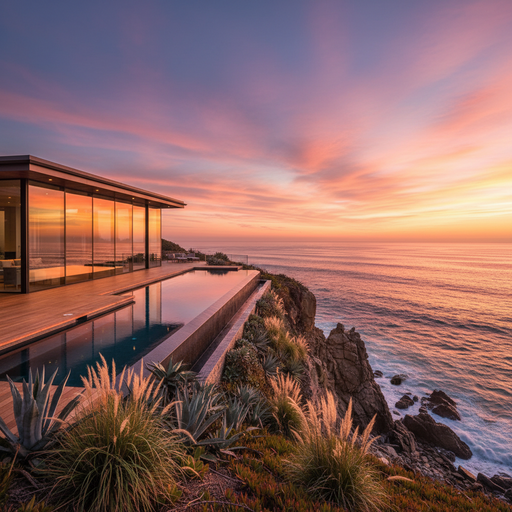
Imagine waking up to the gentle sound of waves crashing in the distance and the scent of salt air wafting through your window. You step out onto your porch, coffee in hand, and instead of a patchy, sandy yard, you are greeted by a lush, vibrant landscape that feels like a natural extension of the beach. This is the dream of coastal ranch home landscaping. Ranch homes, with their iconic long, low profiles and open floor plans, are uniquely suited for the coastal lifestyle. They bridge the gap between indoor comfort and outdoor serenity perfectly.
However, landscaping a coastal ranch isn’t just about planting a few palm trees and calling it a day. It is an art form that requires understanding the harsh elements—salty spray, sandy soil, and relentless wind—while maintaining the relaxed, easy-going aesthetic of a classic American ranch. In this guide, we will walk through the steps to transform your seaside property into a breathtaking oasis that is both resilient and beautiful.
Ranch-style homes are defined by their horizontal lines. To create a cohesive look, your landscaping should complement this silhouette rather than fight against it. When we design for a ranch home, we want to emphasize the width of the property. Using tiered garden beds or long, sweeping walkways can help draw the eye across the landscape, making the entire property feel more expansive.
Avoid planting tall, columnar trees directly in front of the house, as these can “break” the horizontal flow and make the house look smaller. Instead, opt for layered plantings. Start with low-growing groundcovers near the walkway, move to mid-sized shrubs in the center, and place taller ornamental grasses or small coastal trees toward the corners of the property to frame the home like a piece of art.
One of the biggest challenges of coastal landscaping is the environment. Traditional garden favorites like roses or lush turf grass often struggle in the salty, nutrient-poor soil of the coast. The secret to success? Go native. Native plants have spent thousands of years adapting to your specific climate, meaning they require less water, less fertilizer, and less fuss.
For a true coastal vibe, you want plants that can handle a bit of “salt burn.” Consider these staples:
In a coastal ranch landscape, the “hard” elements—patios, paths, and retaining walls—are just as important as the plants. To keep the storytelling of your landscape consistent, you want materials that look like they were washed up by the tide or carved by the wind.
Instead of stark, dark asphalt or bright red bricks, choose natural stone in shades of sand, oyster shell, or driftwood grey. Flagstone pathways with creeping thyme or sea moss growing in the cracks create a “secret garden” feel that leads guests toward the ocean. If you want a more casual look, crushed oyster shells or pea gravel are excellent choices for walkways; they are permeable, meaning they allow rainwater to soak into the ground, which is vital for coastal erosion control.
Don’t be afraid to use “found” objects. A large, weathered piece of driftwood can serve as a natural sculpture in a garden bed. Large boulders can act as anchors for your plant groupings, providing a sense of permanence and rugged beauty against the soft textures of the grasses.
The beauty of a ranch home is its “U” or “L” shaped footprint, which often creates a natural courtyard. This is the perfect spot for an outdoor living room. Since coastal weather can be unpredictable, versatility is key. We recommend building a low-profile wooden deck—preferably made of Ipe or Cedar—that sits just a few inches above the ground, maintaining that ranch-style coection to the earth.
A fire pit is an absolute must-have for coastal living. Even in the summer, sea breezes can get chilly at night. A stone fire pit surrounded by Adirondack chairs provides the perfect gathering spot for roasting marshmallows and watching the stars. To protect your space from the wind, consider “living fences”—dense hedges of wax myrtle or privet that block the breeze without blocking the view.
The magic of a coastal home shouldn’t disappear when the sun goes down. In fact, with the right lighting, it can become even more enchanting. For a coastal ranch, less is more. You want to avoid bright, blinding floodlights that wash out the stars.
Instead, use low-voltage LED path lights to guide guests along your stone walkways. “Uplighting” a few select trees or a beautiful piece of driftwood creates dramatic shadows and depth. If you have a patio, stringing Edison bulbs overhead can provide a warm, festive glow that feels like a permanent vacation. Remember to choose fixtures with a “marine grade” finish, such as solid brass or copper, to ensure they don’t rust in the salty air.
As homeowners by the sea, we have a responsibility to protect the shoreline. Sustainable landscaping isn’t just a trend; it’s a necessity. One of the best ways to do this is through xeriscaping—designing a landscape that requires little to no supplemental irrigation.
By using mulch (like pine bark or cedar) generously, you can keep moisture in the soil and prevent weeds from taking over. Additionally, consider installing a rain garden. This is a shallow, depressed area of your yard planted with water-loving natives that captures runoff from your roof, filtering pollutants before the water reaches the ocean. It’s a win-win for your home’s curb appeal and the environment.
Transforming a coastal ranch landscape is about more than just curb appeal; it’s about creating a lifestyle. It’s about building a space where you can discoect from the digital world and recoect with the rhythm of the tides. By choosing the right plants, embracing the natural architecture of your home, and using materials that reflect the beauty of the shore, you can create a sanctuary that feels timeless.
Whether you are starting with a blank slate of sand or looking to refresh an older garden, remember to work with nature, not against it. Let the wind shape your grasses, let the sun bleach your wood, and let the salt air fill your lungs. Your coastal ranch is more than just a house—it’s a gateway to the sea, and your landscape is the bridge that takes you there.