 11
11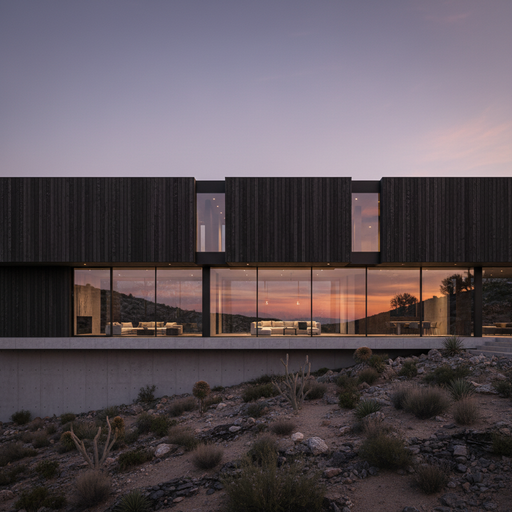
Imagine pulling into your driveway after a long, exhausting day. As the sun begins to set, casting a golden hue over the neighborhood, you look up and see it—your home. But it’s not just a structure of bricks and mortar; it’s a reflection of your personality, a masterpiece of textures that stands out from the cookie-cutter houses on the block. This is the power of custom exterior cladding.
For many homeowners, the exterior is often an afterthought, something to be painted every few years and forgotten. However, for those who see their home as a canvas, cladding is the ultimate medium. It is the “skin” of the building, providing protection from the elements while offering an unparalleled opportunity for creative expression. In this guide, we will explore the world of custom exterior cladding, moving beyond the mundane to find inspiration that transforms “just a house” into an architectural landmark.
Every great design starts with the right material. When we talk about custom cladding, we aren’t limited to standard vinyl siding. We are talking about a world of textures, colors, and durability. Let’s look at the materials that are currently redefining modern home exteriors.
There is something inherently comforting about wood. It coects us to nature. Custom wood cladding, whether it’s Western Red Cedar, Redwood, or Thermowood, offers a warmth that no other material can replicate. One of the most striking trends in custom wood design is Shou Sugi Ban—the ancient Japanese art of charring wood. This process not only preserves the timber against rot and insects but also creates a deep, silvery-black finish that looks incredibly sophisticated on modern minimalist homes.
If you prefer a sleek, contemporary look, metal cladding is your best friend. From weathering steel (Corten) that develops a beautiful rust-like patina over time to matte black aluminum panels, metal offers a crispness that defines architectural lines. It’s low-maintenance, fire-resistant, and perfect for creating a “high-tech” or industrial aesthetic. Think of a dark charcoal metal facade paired with warm wooden accents; the contrast is nothing short of breathtaking.
For those who want the look of wood or stone without the heavy maintenance, fiber cement is a game-changer. It can be molded into various textures and painted in any color imaginable. Because it is highly durable and resistant to warping, it allows for custom geometric patterns that would be difficult to achieve with natural materials. You can mix different board widths or install them in a staggered pattern to create visual movement across the walls.
The secret to a truly “custom” look often lies in the combination of materials. Why stick to just one? Modern architectural inspiration suggests that mixing textures adds depth and character. This technique is often referred to as “material layering.”
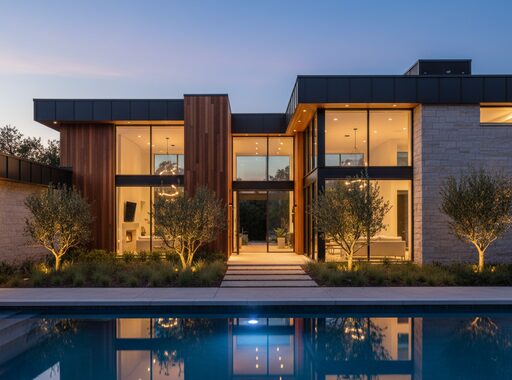
Consider a home where the ground floor is wrapped in heavy, textured natural stone, providing a sense of groundedness and stability. Above it, the second floor features vertical cedar planks that draw the eye upward, making the structure appear taller and more elegant. By breaking the facade into different segments, you can highlight specific architectural features like a cantilevered balcony or a grand entrance.
It sounds like a small detail, but the direction in which you install your cladding can completely change the vibe of your home. Traditionally, horizontal siding has been the standard for suburban homes. It feels familiar, stable, and classic.
However, vertical cladding is currently having a massive resurgence in the custom design world. Installing panels vertically creates an illusion of height and gives the home a modern, “sculptural” feel. It’s a favorite for barn-style modern homes and minimalist urban dwellings. If you’re feeling particularly adventurous, diagonal cladding or herringbone patterns can turn a flat wall into a dynamic piece of art.
In today’s world, custom doesn’t just mean “pretty”—it means “smart.” Sustainable cladding options are no longer a niche market; they are a priority. Reclaimed wood, recycled metal, and high-performance composite materials are leading the way. These materials often come with their own unique stories. Imagine having cladding made from reclaimed barn wood that carries a century of history, or high-tech panels that actually help insulate your home more efficiently, reducing your carbon footprint while looking stuing.
Before you dive headfirst into your cladding project, there are a few practicalities to keep in mind. Custom work requires a higher level of precision during installation. Here are a few tips to ensure your inspiration becomes a reality:
A beautiful wood facade might thrive in a temperate climate but could require excessive maintenance in a coastal area with high salt spray. In those cases, a wood-look aluminum or high-grade fiber cement might be a wiser “custom” choice.
The texture of your cladding changes throughout the day as the sun moves. When choosing materials, look at samples in different lighting conditions. Adding integrated LED strip lighting or up-lights can emphasize the shadows and textures of your custom cladding at night, giving your home a dramatic nighttime presence.
Be honest with yourself about how much work you want to do. If you love the look of natural wood but hate the idea of staining it every three years, look into pre-finished or composite alternatives that offer the same aesthetic with none of the labor.
Choosing custom exterior cladding is more than just a renovation project; it’s an investment in your home’s identity. It’s about walking up to your house and feeling a sense of pride and coection to the space you’ve created. Whether you opt for the charred mystery of Shou Sugi Ban, the industrial strength of metal, or a creative mix of everything in between, your choice will tell a story for years to come.
Don’t be afraid to dream big and look beyond the standard catalogs. The most beautiful homes aren’t the ones that follow the rules—they are the ones that redefine them. Your home’s exterior is the first thing the world sees; make sure it’s saying something worth listening to.