 11
11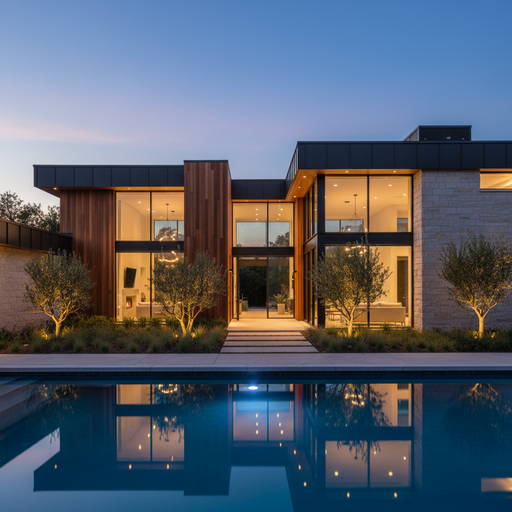
Imagine driving down a quiet, tree-lined street after a long day at work. As you turn the corner, your house comes into view. But it isn’t just any house; it is a reflection of your personality, your hard work, and your unique sense of style. The exterior of your home is the first thing the world sees. It is the handshake that greets your guests and the protective shell that keeps your family safe. When you are building or renovating a custom home, choosing the right exterior materials is perhaps the most significant decision you will make. It’s not just about “curb appeal”—it’s about creating a lasting legacy.
Choosing materials for a custom home can feel overwhelming. With so many textures, colors, and price points available, where do you even begin? This guide is designed to walk you through the most popular and durable options, helping you weave a story through the very walls of your home. Whether you dream of a rustic mountain retreat, a sleek modern sanctuary, or a timeless traditional estate, the right combination of materials will bring that vision to life.
There is something inherently soulful about wood. For centuries, it has been the go-to material for homeowners who want their dwellings to feel coected to the earth. When you choose real wood siding—such as Western Red Cedar, Redwood, or charred Shou Sugi Ban—you are choosing a material that ages with grace. Each plank has its own fingerprint, a unique grain pattern that tells a story of growth and resilience.
Wood is incredibly versatile. It can be installed as horizontal lap siding for a classic look, vertical board and batten for a farmhouse feel, or even as shakes and shingles for a touch of coastal charm. However, beauty comes with a commitment. To keep wood looking its best and to protect it from rot and insects, it requires regular staining or painting every few years. For many custom homeowners, this maintenance is a small price to pay for the unmatched warmth and authentic texture that only real timber can provide.
If you love the look of wood but fear the maintenance, look into thermally modified timber. By heating the wood in an oxygen-free environment, the cellular structure is changed, making it much more resistant to moisture and decay. It gives you the organic beauty of wood with a significantly longer lifespan and less upkeep.
For those who want the aesthetic of wood or smooth masonry without the high-maintenance lifestyle, fiber cement is a game-changer. Brands like James Hardie have revolutionized the market by creating a mixture of wood fiber, sand, and cement that is virtually indestructible. It is fire-resistant, rot-resistant, and can withstand the harshest climates, from salty coastal air to freezing mountain winters.
The beauty of fiber cement lies in its mimicry. It can be manufactured to look exactly like cedar shingles or smooth, contemporary panels. Because it holds paint so well, you can choose almost any color imaginable, and it will stay vibrant for decades. It is the “set it and forget it” choice for the busy family who wants a beautiful home that looks brand new for twenty years without lifting a paintbrush.
If you want your home to feel like a fortress of elegance, nothing compares to brick and stone. These materials have a sense of permanence that lightweight siding simply caot match. A stone-clad home feels anchored to the ground, as if it has always belonged there. In custom home design, we often see “thin stone veneer” or “full-bed stone” used to create stuing focal points around entryways or chimneys.
Brick, on the other hand, offers a rhythmic, orderly beauty. From the deep reds of a traditional Georgian home to the painted white bricks of a modern cottage, it provides incredible thermal mass. This means your home stays cooler in the summer and warmer in the winter, naturally regulating your energy bills. While the initial investment for masonry is higher than other materials, the return on investment is unmatched. A well-built brick or stone home requires almost zero maintenance and can easily last for over a century.
In recent years, metal has moved from industrial warehouses to high-end residential neighborhoods. Steel and aluminum siding are now top choices for modern architectural designs. Why? Because metal offers clean lines, a thin profile, and a unique reflection of light that other materials can’t replicate. It is the ultimate choice for the “industrial chic” or “minimalist” aesthetic.
Beyond its looks, metal is incredibly sustainable. Most metal siding is made from recycled materials and is 100% recyclable at the end of its life. It is also completely fireproof and requires almost no maintenance other than an occasional rinse with a hose. When paired with warm wood accents, metal creates a stuing “warm modern” contrast that is currently dominating architectural magazines.
Commonly found in Mediterranean, Spanish, and Southwestern designs, stucco offers a seamless, monolithic look that is both artistic and functional. Traditional stucco is a cement-based plaster applied over a wire lath, creating a hard, durable skin. It can be textured in dozens of ways, from smooth as silk to rugged and hand-troweled.
Today, many custom builders use EIFS (Exterior Insulation and Finish Systems), often called “synthetic stucco.” This system adds a layer of foam insulation directly under the finish, making the home incredibly energy-efficient. Stucco is perfect for homes with complex curves or unique architectural shapes, as it can be molded to follow the contours of the building in a way that rigid planks caot.
The most breathtaking custom homes rarely use just one material. The magic happens in the mix. By layering different textures, you can highlight different parts of your home’s architecture. For example, you might use stone for the foundation and first floor to ground the house, then transition to vertical wood siding on the second floor to add height and warmth. Perhaps you add metal panels around the large windows to create a frame that draws the eye.
When mixing materials, consider the “Rule of Three.” Generally, using three different textures or colors creates enough visual interest without making the house look cluttered or disorganized. Think about how the light hits each surface at different times of the day. A rough stone wall will catch shadows beautifully at sunset, while a smooth metal panel will glow in the midday sun.
While aesthetics are important, your choice should also be guided by your specific environment. Here are a few things to keep in mind:
Do you live in a high-humidity area? Avoid materials prone to rot unless they are treated. Do you live in a wildfire-prone region? Prioritize non-combustible materials like fiber cement, brick, or metal. Is your area subject to high winds? Ensure your siding choice has a high wind-load rating.
Vinyl and composite materials are great for tighter budgets and have improved significantly in quality. However, if you plan to stay in your home for thirty years, investing more upfront in masonry or high-grade metal might save you thousands in replacement and maintenance costs down the road.
While you want your custom home to stand out, it should also have a conversation with its surroundings. A ultra-modern glass and steel cube might look out of place in a historic Victorian district. Look for ways to use modern materials that still respect the scale and color palette of your community.
Choosing the exterior materials for your custom home is a journey of discovery. It’s the process of taking a flat blueprint and giving it a heartbeat. Whether you find yourself drawn to the rugged honesty of stone, the sleek precision of metal, or the timeless warmth of wood, remember that your home is your canvas. There is no “right” answer, only the answer that makes you feel at home the moment you pull into the driveway.
Take your time, order samples, and look at them in different lighting conditions. Consult with your architect and builder about what works best for your specific site. In the end, the materials you choose will do more than just protect your family—they will tell the story of who you are for years to come.