 11
11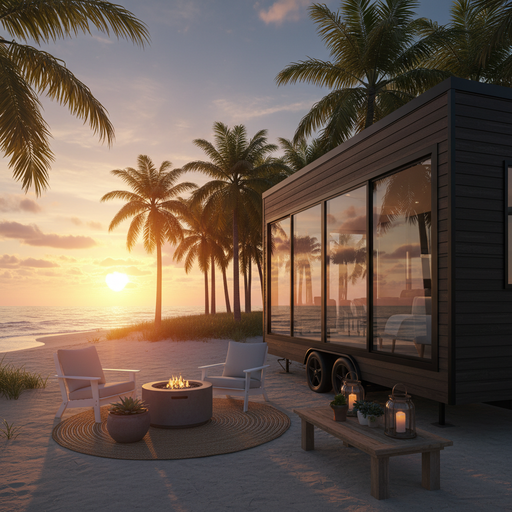
Imagine waking up to the gentle rustle of palm leaves and the salty breeze of the Atlantic Ocean, all without the multi-million dollar price tag of a brick-and-mortar mansion. For decades, the Florida dream was synonymous with sprawling suburban estates or high-rise condos. However, as the real estate market in the Sunshine State hits fever pitch, a new trend is rolling into town—quite literally. Mobile and manufactured housing in South Florida are no longer the “last resort” options they once were. Today, they are at the forefront of a lifestyle revolution that combines flexibility, luxury, and affordability.
Take Sarah, for instance, a 34-year-old graphic designer who recently traded her cramped, expensive apartment in downtown Miami for a custom-built tiny home on wheels currently parked in a vibrant community near Fort Lauderdale. She isn’t “roughing it.” Her home features quartz countertops, floor-to-ceiling windows, and smart home technology. Sarah is part of a growing demographic of South Floridians who are redefining what it means to own a home in one of the most competitive markets in the United States. This is the story of how mobile housing became the hottest trend in South Florida.
The surge in mobile housing interest in South Florida isn’t accidental. It is the result of a “perfect storm” of economic and social factors. As home prices in Miami-Dade, Broward, and Palm Beach counties continue to soar, many residents—from young professionals to retirees—are looking for alternatives that don’t require 30-year suffocating mortgages. But it isn’t just about the money.
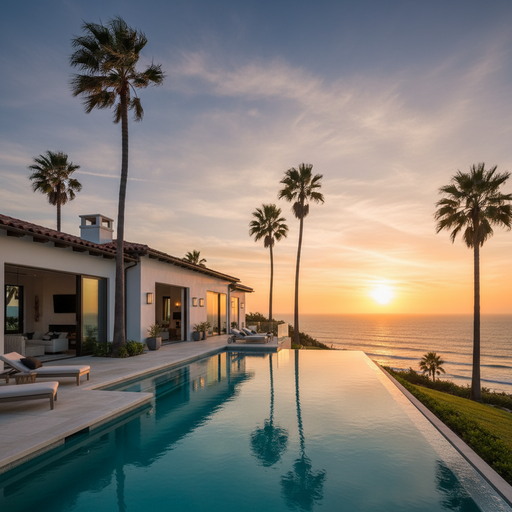
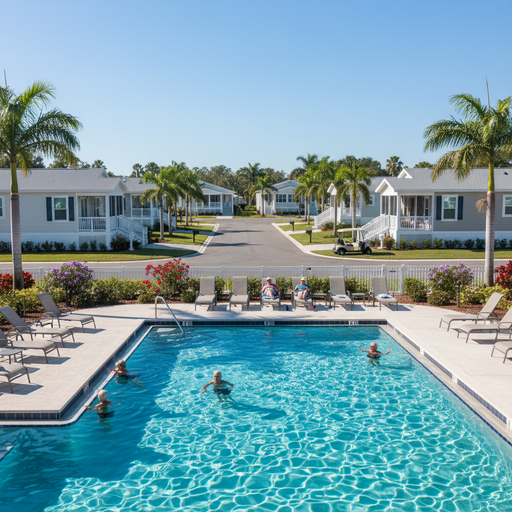
The South Florida lifestyle is inherently outdoorsy. People come here for the beaches, the Everglades, and the year-round warmth. Modern mobile housing allows residents to prioritize their environment over their square footage. When your “backyard” is the entire Gold Coast, you don’t need a massive living room. This shift toward “experiential living” is driving the popularity of high-end manufactured home parks and tiny home communities that offer resort-style amenities like infinity pools, pickleball courts, and private beach access.
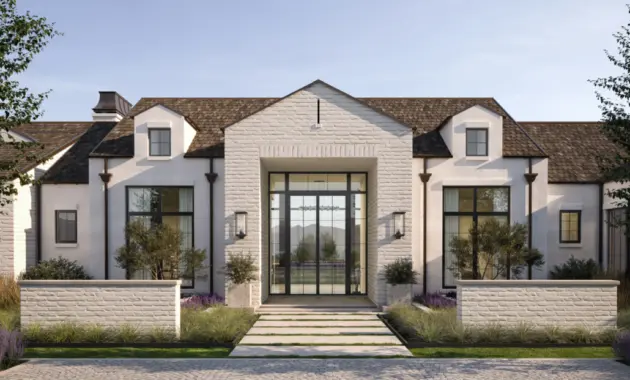
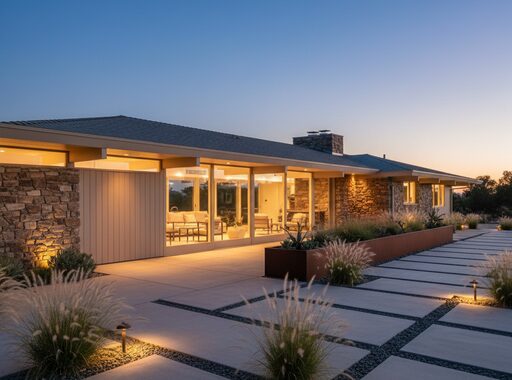
Forget the outdated stereotypes of “trailer parks.” The new wave of manufactured housing in regions like Jupiter and the Florida Keys looks more like architectural masterpieces. We are seeing a trend toward “Luxury Prefab” homes. These units are built in controlled factory environments, ensuring precision and quality that traditional onsite construction often lacks.
Today’s mobile homes feature open-concept floor plans, vaulted ceilings, and high-end finishes. Many manufacturers are now offering “South Florida Special Editions,” which include wrap-around porches to capture the ocean breeze and hurricane-impact windows as a standard feature. The ability to customize a home and have it delivered and installed in a fraction of the time it takes to build a traditional home is a major draw for the “I want it now” generation of buyers.
Another significant trend is the move toward sustainability. Many new mobile housing units in South Florida are being equipped with solar panels, greywater recycling systems, and energy-efficient insulation. Because these homes have a smaller footprint, they naturally consume less energy, appealing to the eco-conscious Floridian who wants to protect the very environment they enjoy.
One caot discuss housing in South Florida without mentioning hurricanes. Historically, mobile homes were seen as vulnerable to the state’s volatile weather. However, engineering has caught up with the climate. Modern manufactured homes built for the Florida market are constructed under strict HUD codes that often exceed the requirements for site-built homes in other states.
Iovative anchoring systems and the use of heavy-duty steel frames mean that these homes are designed to withstand high-velocity winds. Furthermore, many new mobile home communities are being designed with advanced drainage systems to combat the “king tides” and heavy rainfall common in low-lying coastal areas. This increased safety profile has made insurers more willing to cover these properties, providing further peace of mind to prospective owners.
Perhaps the most significant trend in South Florida’s mobile housing market is the evolution of the “park” into a “lifestyle community.” Developers are no longer just renting out patches of dirt; they are curating social experiences. In places like West Palm Beach, you can find mobile home communities that feel like boutique hotels.
This sense of community is a massive draw for those who felt isolated in traditional suburbaeighborhoods or anonymous high-rise buildings. It offers a return to a neighborly way of life where people actually know each other’s names.
While the trend is booming, it is not without its hurdles. The biggest challenge in South Florida is land availability. As developers gobble up land for luxury condos, the space available for mobile home parks is shrinking. This has led to a “land-share” trend where residents form cooperatives to buy the land their homes sit on, protecting themselves from future displacement.
Zoning laws are also in a state of flux. Many South Florida municipalities are currently debating where tiny homes and mobile units can be placed. However, the pressing need for affordable housing is forcing local governments to be more flexible. We are seeing the emergence of “overlay zones” that allow for high-density, high-quality manufactured housing in areas previously reserved for traditional homes.
Investors are also taking note. Mobile home parks in South Florida are currently some of the most sought-after real estate assets. Why? Because they offer steady cash flow and low turnover. For the individual homeowner, a well-maintained manufactured home in a desirable South Florida location can appreciate in value, especially if it is located in a resident-owned community. It’s a way to get a foot in the Florida real estate door at a fraction of the entry cost of a traditional single-family home.
The mobile housing trend in South Florida is a testament to human ingenuity and adaptability. It represents a move away from the “bigger is better” mentality toward a life that values freedom, community, and environmental harmony. Whether it’s a sleek tiny home for a minimalist professional or a luxury manufactured home for a savvy retiree, the options are more diverse and higher quality than ever before.
As we look to the future, the integration of technology, better building materials, and progressive zoning laws will likely make mobile living a permanent and respected fixture of the Florida landscape. The “Florida Dream” isn’t disappearing; it’s just getting more mobile, more sustainable, and a lot more interesting. If you’ve been dreaming of the palm trees and the sunshine but thought you were priced out, it might be time to look at the world of housing through a different lens—one that rolls.