Designing the Future: The Ultimate Modern Home Exterior Planning Guide
SUBMIT YOUR DETAILS FOR
The First Impression: Why the Exterior is the Soul of Your Home
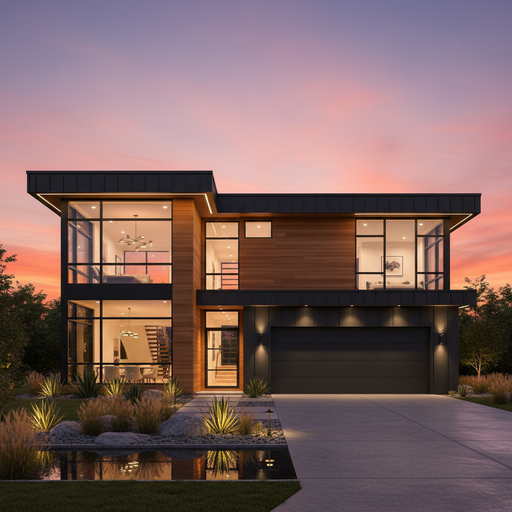
I remember walking down a quiet suburban street last autumn when a specific house caught my eye. It wasn’t the largest on the block, nor was it the flashiest. Yet, it possessed a magnetic pull that the surrounding traditional builds lacked. It had clean horizontal lines, a daring mix of charcoal metal and warm cedar wood, and floor-to-ceiling windows that seemed to invite the golden hour inside. That was the moment I truly understood that a modern home exterior isn’t just about aesthetics; it is about telling a story of iovation, simplicity, and harmony with nature.
Plaing a modern home exterior can feel like a daunting task. Unlike traditional styles that follow strict historical rules, modern design is fluid. It is an evolution. If you are standing at the starting line of your home-building or renovation journey, this guide is designed to walk you through the essential elements of modern exterior plaing, ensuring your home becomes a timeless landmark of your personal style.
1. Defining the Modern Aesthetic: Minimalism and Geometry
The foundation of any modern home exterior is its silhouette. In the world of modern architecture, “form follows function” is the golden rule. When you begin your plaing, look at the geometry of your structure. Are you leaning towards a boxy, industrial look, or something more organic and mid-century?
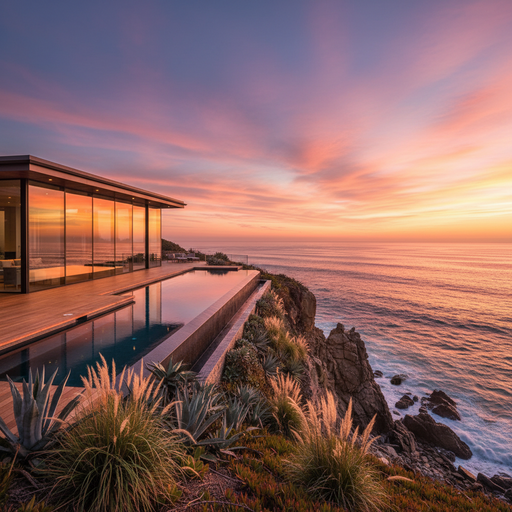
Modern homes often feature flat or shed rooflines, which provide a sleek, low-profile appearance. This departure from the classic gabled roof allows for more creative use of interior volume and outdoor rooftop spaces. During the plaing phase, consider how different heights and volumes can interact. A cantilevered second floor or a recessed entryway creates depth and shadows, making the exterior look dynamic rather than flat.
2. The Alchemy of Materials: Mixing Textures for Impact
If geometry is the skeleton of your home, then materials are its skin. One of the most exciting trends in modern exterior design is the “mixed-material” approach. Gone are the days when a house had to be 100% brick or 100% vinyl siding.
- Natural Wood Accents: Using cedar, teak, or thermally modified wood adds an organic warmth that prevents a modern home from feeling too cold or “clinical.”
- Metal Siding: Corrugated metal or standing seam panels in black or zinc provide an industrial edge and are incredibly durable.
- Fiber Cement and Stucco: These materials offer a smooth, clean finish that serves as a perfect canvas for other architectural features.
- Glass as a Material: In modern design, windows aren’t just for looking out; they are structural elements. Expansive glass walls blur the line between the indoors and outdoors.
When plaing, try to limit your palette to three primary materials. This maintains the minimalist ethos while providing enough contrast to keep the eye moving.
3. Mastering the Color Palette: Beyond Basic Gray
While many people associate modern design with a monochrome palette—black, white, and gray—there is room for significant creativity. The secret to a successful modern color scheme is intentionality. A dark, moody exterior in “Iron Mountain” or “Tricorn Black” can make a house look sophisticated and bold, especially when contrasted with light-colored stone or wood.
Consider the environment around your home. If you are building in a wooded area, earthy tones like olive green or deep ochre can help the home blend into the landscape. If you are in an urban setting, high-contrast white and black can make a powerful architectural statement. Don’t be afraid of a “pop” of color, such as a vibrant yellow or teal front door, to add a touch of personality to the minimalist backdrop.
4. The Role of Natural Light and Fenestration
In a modern home, windows are everything. Plaing your window placement is as much about the exterior look as it is about the interior experience. Large, black-framed windows are a staple of the modern movement. They provide a rhythmic pattern to the facade.
Think about “fenestration”—the arrangement of windows and doors. Modern design often uses asymmetrical window placements to create visual interest. Clerestory windows (high, narrow windows near the roofline) are another fantastic tool; they provide privacy from neighbors while allowing natural light to flood the interior and creating a “floating roof” effect from the outside.
5. Lighting as an Architectural Feature
The beauty of your home shouldn’t disappear when the sun goes down. In fact, a well-plaed lighting scheme can make a modern home look even more spectacular at night. Instead of just “putting up some lights,” think of lighting as a way to highlight the architecture.
- Up-lighting: Use ground-mounted lights to wash over textured walls or tall trees.
- Path Lighting: Linear LED strips along walkways or stairs reinforce the clean lines of the design.
- Sconce Placement: Choose fixtures with a minimalist profile that cast light both upward and downward, creating dramatic geometric shapes on the exterior walls.
6. Sustainable and Smart Integration
A truly modern home is a smart home. During the plaing stage, consider how technology can be integrated seamlessly into the exterior. This includes hidden security cameras, smart doorbells, and automated irrigation systems for your landscaping. Furthermore, sustainability is a core pillar of modern architecture. Solar panels don’t have to be an eyesore; they can be integrated into the roof design or used as part of a sleek patio cover. Choosing eco-friendly, long-lasting materials not only helps the planet but also reduces maintenance costs over the lifespan of the home.
7. Landscaping: The Soft Edge of Modernism
Modern landscaping is the bridge between your home and the earth. Forget the cluttered flower beds of the past. Modern landscaping focuses on structure and repetition. Think of ornamental grasses planted in clean rows, large concrete pavers with moss or gravel in between, and the use of “hardscaping” to create outdoor rooms.
The goal is to create a landscape that complements the straight lines of the house. Using native plants is highly recommended, as they require less water and maintenance, aligning with the functional spirit of modern design. A single, well-placed sculptural tree can act as a piece of art against a plain stucco wall.
8. Practical Steps for a Stress-Free Plaing Process
Now that you have the vision, how do you execute it? The plaing process should always start with a clear budget and a deep dive into local zoning laws. Some neighborhoods have “architectural review boards” that may have opinions on your flat roof or black siding. It’s better to know these constraints early.
Work with an architect or a designer who specializes in modern styles. They can help you balance your “wish list” with the realities of your building site, such as topography and sun orientation. Finally, create a mood board. Collect images of textures, colors, and shapes that resonate with you. This will be your North Star throughout the construction process, ensuring the final result is exactly what you envisioned.
Conclusion: Your Home, Your Statement
Plaing a modern home exterior is a journey of editing. It is about removing the uecessary until only the essential remains. By focusing on strong geometric lines, a thoughtful mix of materials, and a deep coection to the surrounding environment, you create more than just a shelter; you create a piece of livable art.
Whether you are building from scratch or giving an older home a modern face-lift, remember that the best designs are those that reflect the people living inside. Take your time, trust your instincts, and don’t be afraid to be bold. Your modern masterpiece is waiting to be built.