 11
11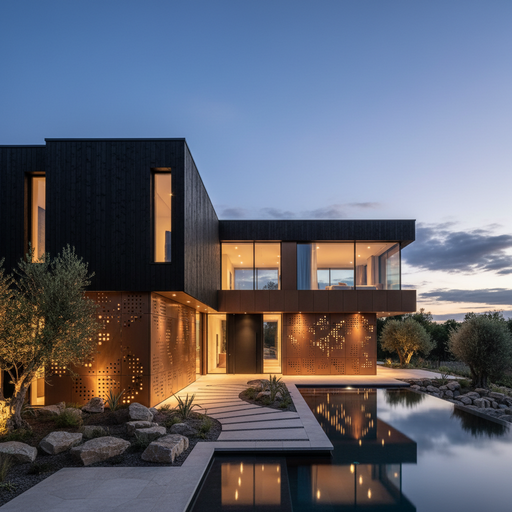
Imagine walking down a quiet suburban street where every house looks remarkably similar. They all share the same beige siding, the same standard brickwork, and the same predictable silhouettes. But then, you turn a corner and see something that stops you in your tracks. It is a home that doesn’t just sit on the lot; it breathes. It has a texture that catches the light in a unique way, a combination of warm cedar planks and sleek, matte-black metal panels. This isn’t just a building; it is a statement.
This is the power of custom exterior cladding. In the world of modern architecture and home renovation, cladding has evolved from being a mere protective layer into the most significant design element of a structure. It is the “skin” of your building, and just like our own skin, it protects what is inside while defining the beauty of what is outside. If you are looking to transform a mundane structure into a masterpiece, understanding the world of custom cladding is your first step toward architectural excellence.
At its simplest level, exterior cladding is a material applied over another to provide a layer of thermal insulation and weather resistance. However, when we talk about custom solutions, we are moving far beyond the off-the-shelf vinyl or standard brick found at your local hardware store. Custom cladding involves tailored materials, unique installation patterns, and specialized finishes designed specifically for a particular project.
Customization allows architects and homeowners to play with light, shadow, and depth. Whether it is laser-cut metal screens that create intricate patterns on the driveway or charred timber that offers an ancient yet modern aesthetic, custom cladding ensures that no two buildings look exactly alike. It is the intersection of engineering and art.
The journey of custom cladding begins with the selection of materials. Each material tells a different story and offers unique performance benefits. Let’s explore the most popular options in the custom market today.
There is a timeless warmth to wood that no other material can truly replicate. In custom designs, we often see the use of Western Red Cedar, Redwood, or increasingly, thermally modified timber. Thermal modification uses heat to change the wood’s cellular structure, making it incredibly resistant to rot and insects without the need for chemicals.
For those looking for a dramatic flair, the Japanese technique of Shou Sugi Ban (charred timber) is a top-tier custom choice. It provides a deep, silvery-black finish that is both fire-resistant and strikingly beautiful.
If your style leans toward the contemporary or industrial, metal is your best friend. Custom metal cladding can be made from aluminum, zinc, copper, or weathering steel (Corten). The beauty of metal lies in its precision. It can be folded, perforated, or curved to create fluid shapes that stone or wood simply caot achieve.
Copper and zinc are particularly beloved in the custom world because they are “living” materials. Over time, they develop a patina that changes color, meaning your building’s exterior will literally evolve with the passing of the seasons.
For those who want the look of wood or stone but require zero maintenance, fiber cement and HPL are the modern solutions. These materials are incredibly durable and can be manufactured in almost any color or texture imaginable. Customization here often comes in the form of “rainscreen” systems, where the panels are installed with a small gap behind them to allow for moisture drainage and airflow, significantly increasing the building’s lifespan.
While we often choose custom cladding for its “wow factor,” its functional benefits are equally impressive. A well-designed cladding system acts as a high-performance envelope for your home.
How does a custom cladding project actually happen? It usually follows a collaborative path between the owner, the architect, and the specialist installer.
This is where you decide the “vibe” of the project. Do you want the building to blend into its natural surroundings using earthy tones and organic textures? Or do you want it to stand out as a bold, geometric landmark? Mood boards and 3D renderings are essential during this stage to visualize how different materials will interact with local sunlight.
Never choose a cladding material based on a digital photo. Custom cladding experts will provide physical samples so you can see how the texture feels and how the color shifts from morning light to sunset. This is the stage where you might decide on a custom perforation pattern for metal screens or a specific stain for your timber.
Custom cladding requires precision engineering. The substructure (the frame that holds the cladding) must be perfectly level. Skilled artisans then install the panels, often using hidden fastening systems so that no screws or bolts distract from the clean lines of the design.
Today’s custom solutions are increasingly focused on the environment. Many homeowners are opting for reclaimed wood or recycled aluminum. Furthermore, the longevity of premium custom cladding means you won’t be tearing it off and sending it to a landfill in 15 years. It is a “build once, build right” philosophy that resonates with the modern eco-conscious builder.
Custom exterior cladding is more than just a home improvement project; it is an investment in the soul of your property. While the initial cost may be higher than standard options, the value it adds—both in terms of curb appeal and structural integrity—is unparalleled.
Your home is likely your most significant asset. By choosing a custom cladding solution, you are ensuring that it is protected, energy-efficient, and, above all, a unique reflection of your personal style. Don’t settle for a home that looks like every other house on the block. Give your building a voice, and let it tell a story of quality, iovation, and beauty.