 11
11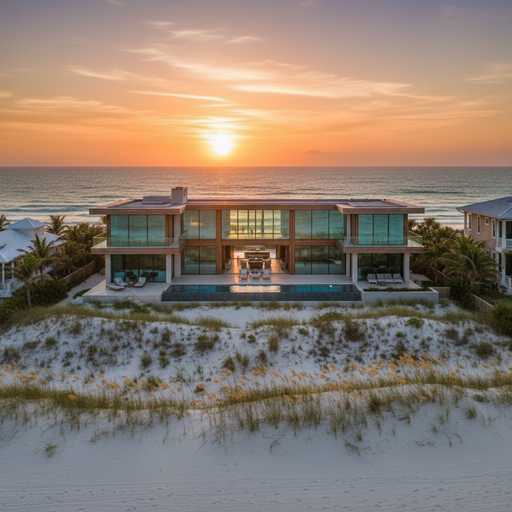
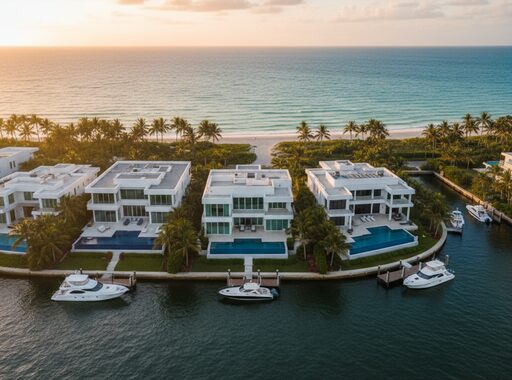
Imagine waking up to the rhythmic sound of the Atlantic surf or the gentle lap of the Gulf of Mexico against the shore. You step out onto your balcony, coffee in hand, as the salt air fills your lungs and the first golden rays of the sun dance across the water. For many, owning a piece of Florida’s coastline is the ultimate piacle of the American Dream. It is the promise of endless summers, a sanctuary from the hustle of city life, and a legacy to pass down through generations.
However, the journey to becoming a beachfront homeowner in the Sunshine State is more than just picking out a color palette for your living room. It is a unique adventure that blends the excitement of real estate with complex legalities, environmental responsibilities, and a deep understanding of the Atlantic and Gulf ecosystems. If you are considering diving into the world of Florida beach property ownership, there are several essential things you need to know to ensure your dream doesn’t get swept away by the tide.
One of the most common questions prospective buyers ask is: “How much of the beach do I actually own?” In Florida, the answer lies in a legal concept known as the Mean High Water Line (MHWL). Generally, the state of Florida owns the land seaward of the MHWL—the area often referred to as the “wet sand.” This area is held in public trust for the enjoyment of all citizens.
As a property owner, your private ownership typically extends to this MHWL, which is the “dry sand” area. However, this isn’t always a fixed line. Coastal erosion and “accretion” (the gradual buildup of sand) mean your property line can literally shift over time. Furthermore, Florida has seen significant legal debates regarding “customary use,” where the public may have a right to use the dry sand if there is a long-standing history of public access. Understanding these boundaries is crucial because it dictates where you can put up a fence, where you can place your lounge chairs, and how you interact with the tourists walking past your backyard.
When you buy a beach property, you aren’t just buying land; you are acquiring “Riparian Rights.” These are special rights granted to owners of land bordering a navigable body of water. In Florida, these rights generally include:
However, with these rights come local ordinances that can be quite strict. For instance, many Florida coastal communities have “Turtle Lighting” ordinances. Between May and October, sea turtles nest on Florida beaches. To prevent hatchlings from being disoriented by artificial lights, beachfront owners are often required to use tinted glass or specific “turtle-friendly” amber lighting. It’s a small price to pay to share your home with these majestic creatures, but it’s a detail every new owner must be prepared for.
Owning a home by the sea is a luxury, but the environment is undeniably harsh. Saltwater is a silent, persistent force that can corrode metal, fade paint, and wear down even the sturdiest materials. This leads to the “Coastal Maintenance” factor. You will likely spend more on home upkeep than a typical inland homeowner. From HVAC systems that need frequent rinsing to high-impact windows that protect against hurricane winds, the costs of preserving your paradise add up.
Then there is the matter of insurance. In Florida, “Standard” homeowners insurance rarely covers everything you need when living on the coast. You will likely need three separate policies:
This covers standard issues like fire or theft, but in Florida, you must ensure it includes a “Windstorm” rider to cover damage from hurricanes and tropical storms.
Since most beach properties are in high-risk zones, flood insurance (often through the National Flood Insurance Program or private carriers) is almost always mandatory if you have a mortgage. It covers damage from rising waters and storm surges.
Given the public nature of beaches and the potential for accidents, many owners opt for additional liability coverage to protect their assets.
If you are plaing to renovate your beach house or build a new one from scratch, you need to become familiar with the Coastal Construction Control Line (CCCL). This is a line established by the Florida Department of Environmental Protection (DEP) to protect the beach and dune system from being improperly developed.
Anything built seaward of this line is subject to much stricter building codes and requires special state permits. The goal is to ensure that structures are built high enough and strong enough to withstand a 100-year storm event while also protecting the natural dunes that act as a buffer for the entire community. Navigating the CCCL can be complex, so it is vital to work with architects and contractors who have specific experience in Florida coastal construction.
Despite the challenges, the demand for Florida beach property remains incredibly high. From the emerald waters of Destin to the vibrant shores of Miami Beach, waterfront property is a finite resource. This scarcity often leads to strong long-term appreciation.
Many owners offset their costs by turning their property into a short-term vacation rental. Florida’s tourism industry is a juggernaut, and travelers are always willing to pay a premium for a home with a private path to the ocean. However, before you count your rental income, check the local zoning laws. Some municipalities have strict limits on short-term rentals, and Homeowners Associations (HOAs) may have their own rules regarding guest stays and parking.
The process of buying a beach property is different from a standard residential transaction. Here is a quick checklist for your journey:
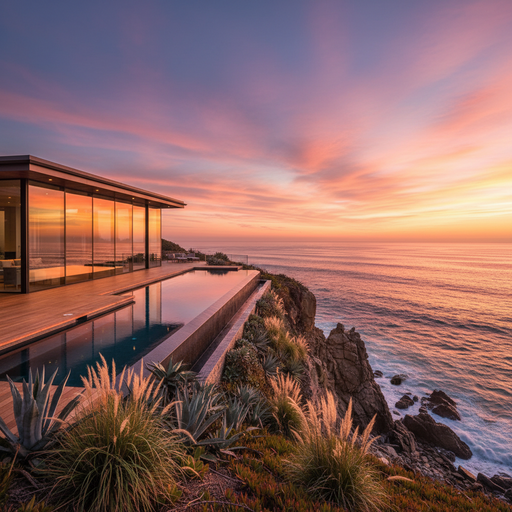
Owning a Florida beach property is an emotional investment as much as a financial one. It is about those quiet moments watching the pelicans dive for fish and the vibrant evenings watching the sunset turn the sky into a canvas of pink and orange. Yes, there are hurdles—insurance, environmental regulations, and the constant battle against salt air—but for those who love the sea, there is simply no substitute.
By doing your homework, understanding the legal landscape, and preparing for the unique responsibilities of coastal stewardship, you can ensure that your Florida beach home remains a source of joy and tranquility for many years to come. The sand is waiting; are you ready to make your mark?