 11
11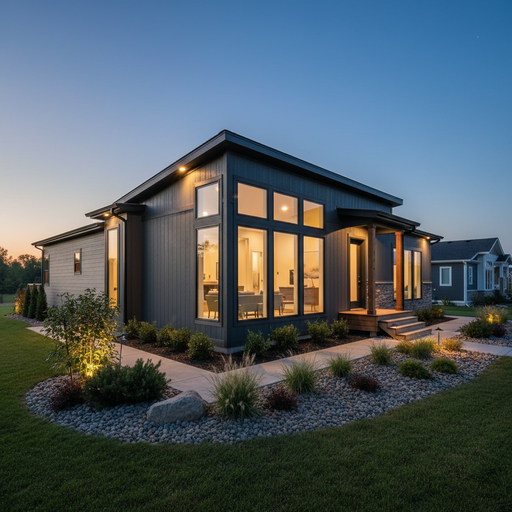
Imagine Sarah, a 30-year-old graphic designer living in the heart of Austin, Texas. For years, she scrolled through real estate apps, watching as the prices of modest starter homes climbed further out of her reach. The traditional white-picket-fence dream felt more like a financial mirage. That was until she stepped into a modern manufactured home. It wasn’t the “trailer” her parents had described from the 1970s; it was a sleek, energy-efficient, open-concept space that cost a fraction of a traditional build. Sarah isn’t alone. Across the United States, a quiet revolution is happening in the real estate market, and it’s moving on wheels—or at least, it started that way.
Mobile and manufactured homes are no longer the “last resort” for housing. In 2024, they have become a strategic choice for milleials, retirees, and savvy investors alike. Driven by a cocktail of high interest rates, a shortage of inventory, and a cultural shift toward minimalism, the mobile home real estate sector is experiencing a renaissance. Let’s dive into the trends that are reshaping this industry and why this might be the most underrated investment of the decade.
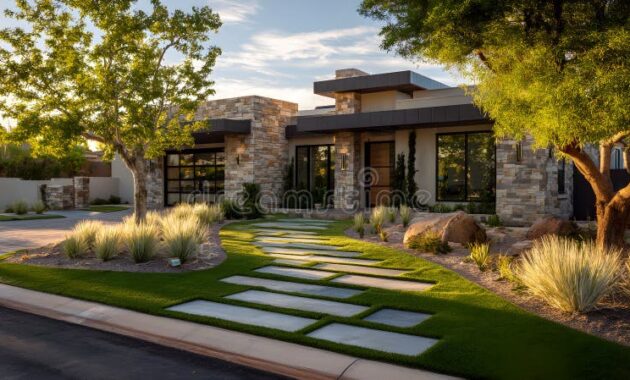
One of the most significant trends today is the blurring of lines between site-built luxury homes and high-end manufactured housing. Gone are the days of wood-paneled walls and cramped corridors. Today’s top-tier manufacturers are offering features that rival custom-built mansions: quartz countertops, 9-foot ceilings, spa-like primary bathrooms, and stainless steel appliances.
The trend is often referred to as “CrossMod” housing. These are manufactured homes that are built to look exactly like traditional homes, often including attached garages and permanent foundations. This aesthetic shift is crucial because it helps dismantle the long-standing stigma associated with mobile homes, making them more attractive to a broader demographic and helping to stabilize their resale value.
Eco-consciousness is no longer a niche preference; it’s a market driver. Modern mobile homes are leading the charge in sustainable living. Because these homes are built in climate-controlled factories, there is significantly less material waste compared to traditional construction sites. Furthermore, new trends show a surge in “net-zero” ready manufactured homes.
Buyers are now looking for:
For someone like Sarah, the appeal isn’t just the lower mortgage; it’s the smaller carbon footprint and the predictability of monthly utility bills.
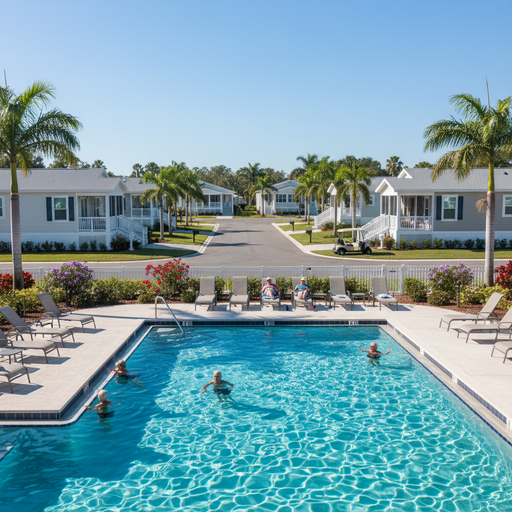
The location of a mobile home is changing just as much as the structure itself. The trend is moving away from the old-school “trailer park” and toward “lifestyle communities.” These are age-qualified or family-oriented neighborhoods that function more like resorts. We are seeing communities pop up that offer pickleball courts, heated swimming pools, high-end fitness centers, and even dog parks with grooming stations.
This “community-first” approach is particularly popular among Baby Boomers who are downsizing. They want to unlock the equity in their traditional homes while still enjoying a high quality of life and a sense of social belonging. For investors, these high-end land-lease communities represent a stable and growing source of passive income.
Historically, one of the biggest hurdles for mobile home buyers was financing. Many were forced into “chattel loans,” which often carry higher interest rates because the home is considered personal property rather than real estate. However, a major trend in 2024 is the expansion of conventional financing options.
Government-sponsored enterprises like Faie Mae and Freddie Mac have introduced programs that make it easier to get a traditional 30-year mortgage for manufactured homes, provided they meet certain criteria (like being on a permanent foundation). This shift is a game-changer, as it lowers the barrier to entry for first-time buyers and increases the pool of potential shoppers for those looking to sell.
The way people buy mobile homes is also undergoing a digital transformation. In the past, you’d visit a local lot and walk through a few dusty models. Today, the trend is “Digital First.” Virtual reality tours allow buyers to “walk through” dozens of floor plans from their laptops. Customization software lets you swap out cabinet colors and flooring options with a click, seeing the price update in real-time.
Moreover, the construction process itself is benefiting from AI and robotics in factories, which ensures higher precision and faster build times. In a world where a traditional home can take 12 months to build, a manufactured home can often be ready in a matter of weeks, providing a near-instant solution to the housing shortage.
Real estate investors are moving their capital into the mobile home space at record speeds. The “fix and flip” strategy, once reserved for bungalows and ranch houses, has found a new home in pre-owned manufactured units. Because the initial purchase price is low, investors can spend a modest amount on renovations—new flooring, modern paint, and updated fixtures—and see a significant return on investment through either a quick resale or a high-yield rental.
There is also a growing trend of institutional investors purchasing entire mobile home parks. While this has caused some controversy regarding rent hikes, it has also led to much-needed infrastructure upgrades in older communities, improving the overall quality of the housing stock.
As we look toward the future, it’s clear that mobile and manufactured homes are no longer a footnote in the real estate market—they are a headline. They represent a pragmatic, stylish, and sustainable solution to some of the most pressing housing challenges of our time. Whether you are a first-time buyer like Sarah, a retiree looking for community, or an investor seeking the next big opportunity, the trends in manufactured housing offer something for everyone.
The “mobile” home has evolved. It has moved from the fringes of the suburbs to the center of the conversation about the future of how we live. By embracing technology, sustainability, and modern design, this sector is proving that a home doesn’t have to be built on-site to feel like the perfect place to start a new chapter.