 11
11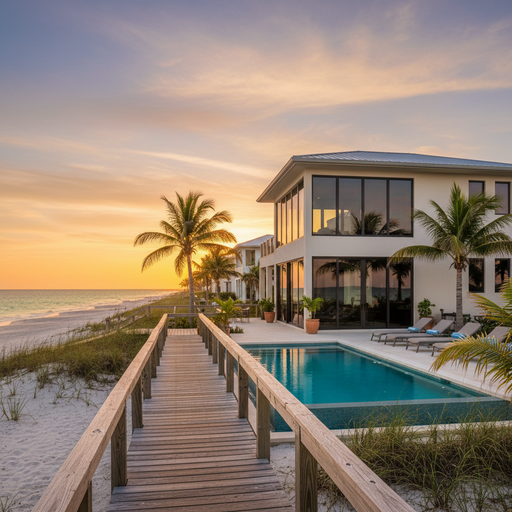
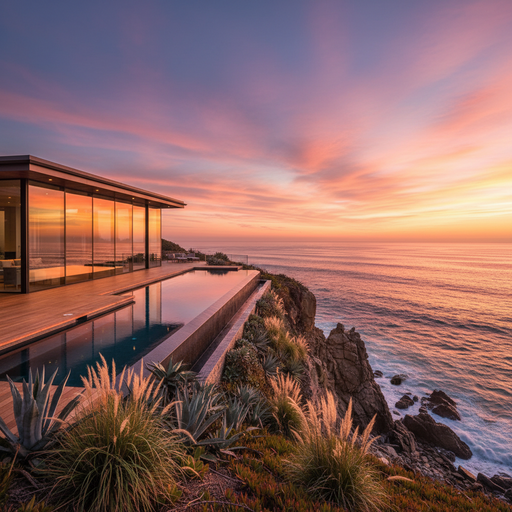
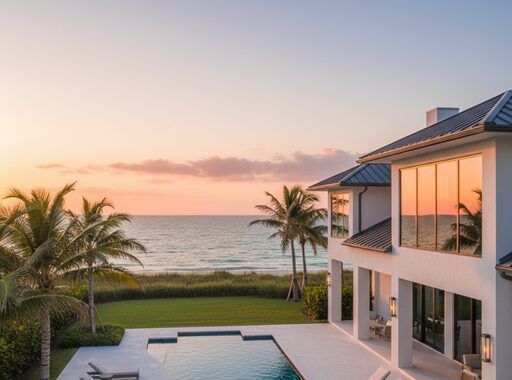
Picture this: It is 6:30 AM in Destin, Florida. The sun is just begiing to peek over the emerald horizon, painting the sky in strokes of violet and gold. You are sitting on a private balcony with a steaming cup of coffee, listening to the rhythmic pulse of the Gulf of Mexico hitting the sugar-white sand. But here is the best part—you aren’t just a guest here. You own this view. And while you are sipping your coffee, your bank account is growing thanks to a booking calendar that is filled six months in advance.
For decades, Florida beach homes have been the “holy grail” of real estate investment. It is a market that combines the emotional appeal of a vacation paradise with the cold, hard logic of high-yield returns. Whether it is the high-energy pulse of Miami Beach or the laid-back charm of the Forgotten Coast, Florida offers a unique landscape where “turning sand into gold” isn’t just a metaphor—it is a business model.
In this guide, we will dive deep into the world of Florida coastal investments. We will explore why the market remains resilient, how to pick the right location, and the storytelling secrets that turn a simple house into a high-demand short-term rental powerhouse.
Before we look at the houses, we have to look at the state. Florida isn’t just a place people visit; it is a place where people are moving in droves. With no state income tax and a business-friendly environment, Florida continues to see a massive influx of residents from the Northeast and Midwest. This population growth creates a “floor” for property values, providing a safety net for investors.
Furthermore, Florida is a year-round destination. Unlike the beach towns of New Jersey or the Carolinas, which effectively shut down in the winter, Florida’s “Snowbird” season ensures that properties remain occupied even when the rest of the country is shoveling snow. This dual-seasonality—summer families and winter retirees—is the secret sauce for consistent cash flow.
One of the most important decisions an investor makes is which side of the peninsula to plant their flag. Both coasts offer incredible opportunities, but they cater to very different “stories.”
The Atlantic side, stretching from Jacksonville down to the Florida Keys, is known for its waves, its sunrise views, and its proximity to major hubs. Investing in Miami Beach or Fort Lauderdale offers high-end luxury and international appeal. However, if you are looking for a more family-oriented investment, towns like New Smyrna Beach or St. Augustine provide a historic, charming backdrop that attracts repeat visitors year after year.
The Gulf Coast is often the darling of the short-term rental world. Areas like Destin, 30A, and Clearwater boast some of the highest occupancy rates in the country. The water here is calmer, clearer, and warmer, making it a magnet for families with young children. The “30A” stretch, in particular, has become a brand in itself, where luxury cottages can command thousands of dollars per night during peak season.
When you buy a Florida beach home, you are choosing a business model. Most investors opt for the Short-Term Rental (STR) model, utilizing platforms like Airbnb and VRBO. While this requires more management, the income potential is significantly higher—often double or triple what a long-term lease would provide.
The key to wiing the STR game in Florida is differentiation. You aren’t just selling a bed; you are selling an experience. This is where storytelling comes in. Does your property have a “beach gear” closet stocked with paddleboards? Is there an outdoor shower draped in tropical greenery? These are the details that lead to five-star reviews and “Superhost” status.
Investing in beach property isn’t all sunshine and cocktails; you have to respect the ocean. The very thing that makes the property valuable—its proximity to the water—is also its greatest risk. As a professional investor, your spreadsheets must account for:
Florida insurance can be pricey. However, modern building codes have made newer homes incredibly resilient. Investing in a home with impact-resistant windows and a reinforced roof not only protects your asset but also lowers your insurance premiums. Always check the flood zone maps before signing a contract.
The salt air is “corrosive luxury.” It eats through HVAC systems, outdoor furniture, and paint faster than inland air. Budgeting for a higher aual maintenance reserve (usually 1-2% of the property value) is essential to keep the home looking pristine for guests.
Unless you live in Florida full-time, you will likely need a property manager. In coastal Florida, full-service management companies typically charge between 15% and 25% of gross revenue. While this sounds like a lot, a good manager ensures your home is cleaned to hotel standards and handles midnight plumbing emergencies so you don’t have to.
How do you find a deal in a hot market? You look for the “ugly duckling” on the best street. Many investors make the mistake of wanting a turnkey, perfectly decorated home. However, the real wealth is built by finding a beach cottage with “good bones” but outdated interiors. By spending $50,000 on a modern kitchen and coastal-chic furniture, you can often force an appreciation of $150,000 or more, while simultaneously bumping your nightly rental rate.
Consider an investor named Sarah. She bought a dated three-bedroom bungalow in Panama City Beach for $600,000. It was beige, boring, and had old carpets. Sarah spent $60,000 renovating it—adding luxury vinyl plank flooring, a bright white kitchen, and a “photo-ready” mural on the patio. She renamed it “The Salty Seahorse.”
In its first year, the property didn’t just pay for its mortgage; it generated a net profit of $45,000 after all expenses. Two years later, the property was appraised at $850,000. Sarah didn’t just buy a house; she built an asset that provides her family with a free vacation spot and a passive income stream that funds her retirement accounts.
Investing in Florida beach homes is more than a financial transaction; it is a lifestyle choice that pays dividends. It requires due diligence, a keen eye for location, and a commitment to providing a great guest experience. But for those who take the plunge, the rewards are as vast as the Atlantic itself.
Florida’s coastline isn’t getting any longer. They aren’t making any more beachfront land. As the world becomes more digital and remote work becomes the norm, the desire to live and play by the ocean will only grow. Now is the time to find your piece of paradise and start your journey toward coastal wealth.